
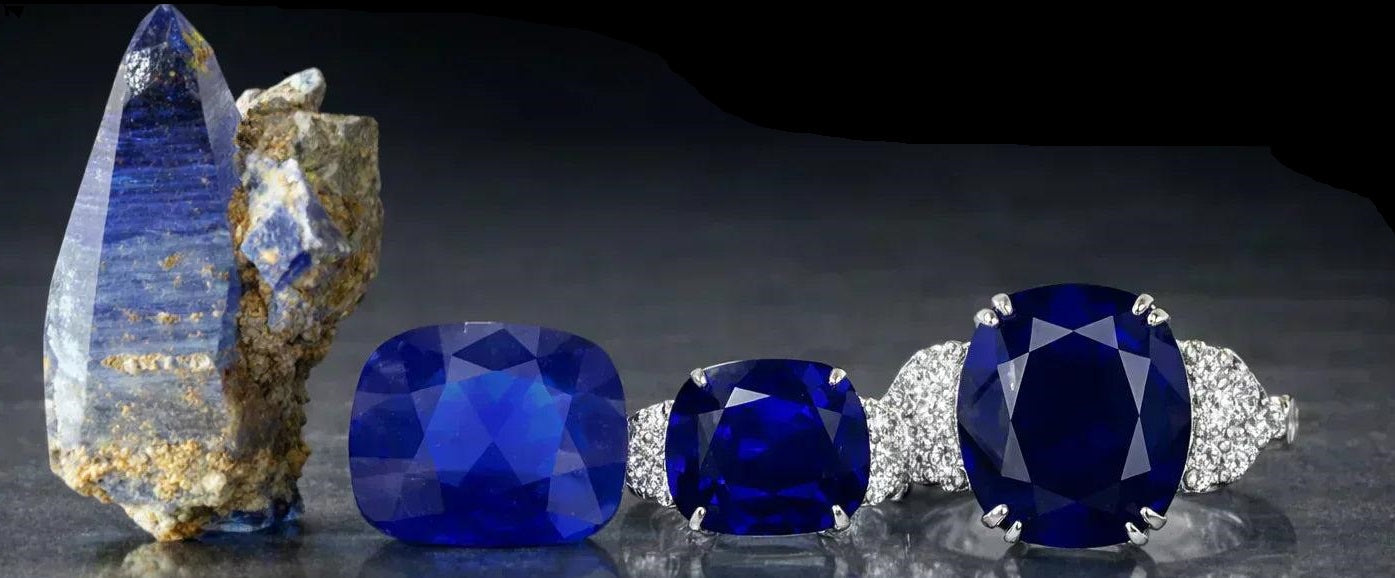
Why Kashmiri Sapphires are special?
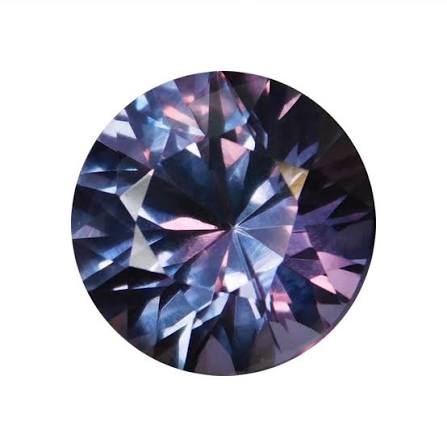
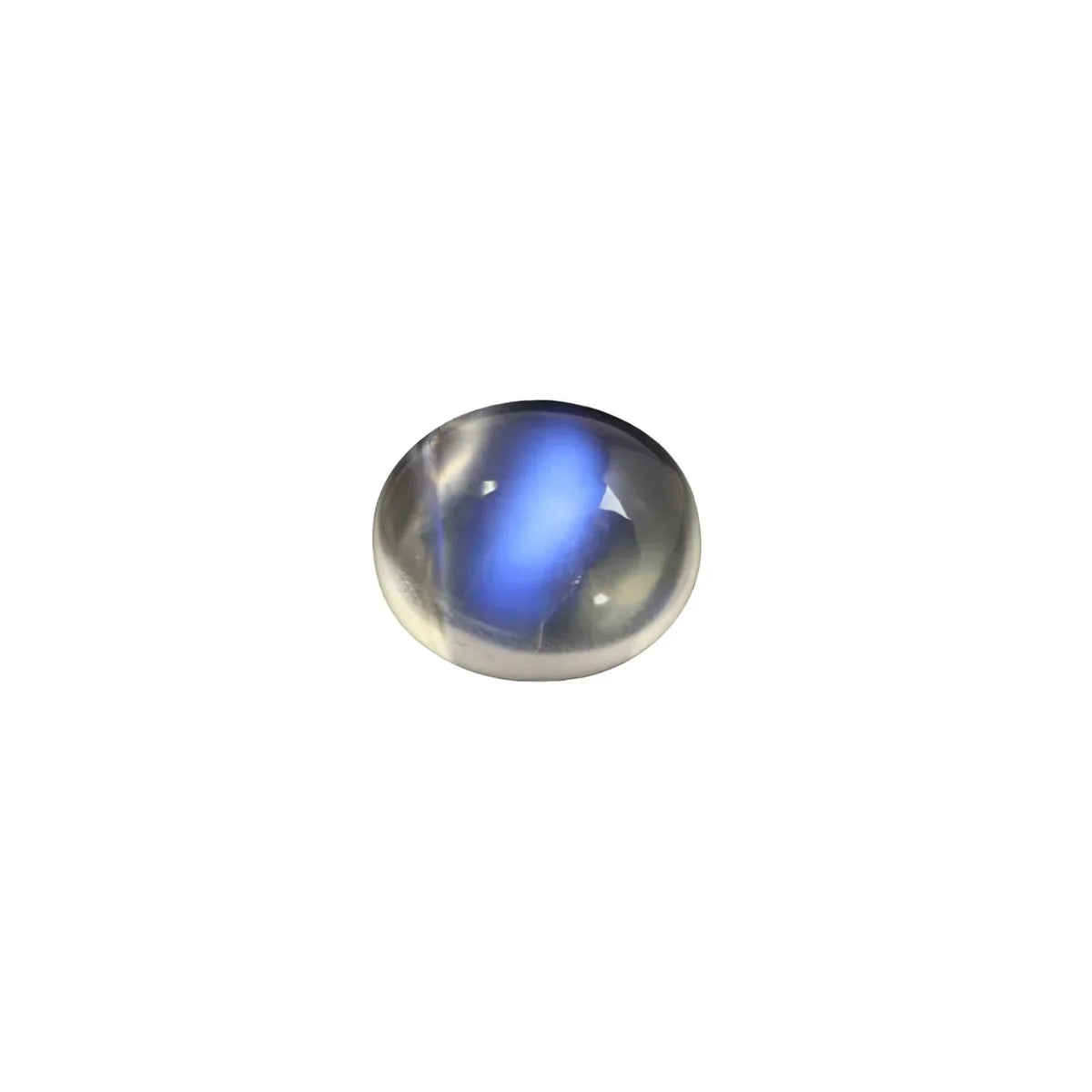
Among the world’s most admired gemstones, the Kashmiri Blue Sapphire stands in a category of its own. Revered for its velvety glow, hypnotic hue, and astonishing rarity, this gemstone has fascinated collectors, royals, and jewel enthusiasts for more than a century. The Origin of Kashmiri Blue Sapphires Kashmiri sapphires originate from the remote Himalayan region of Kashmir, located in the northern part of the Indian subcontinent. The mines were discovered in the late nineteenth century near the Zanskar mountain range at extremely high altitudes. Kashmiri...
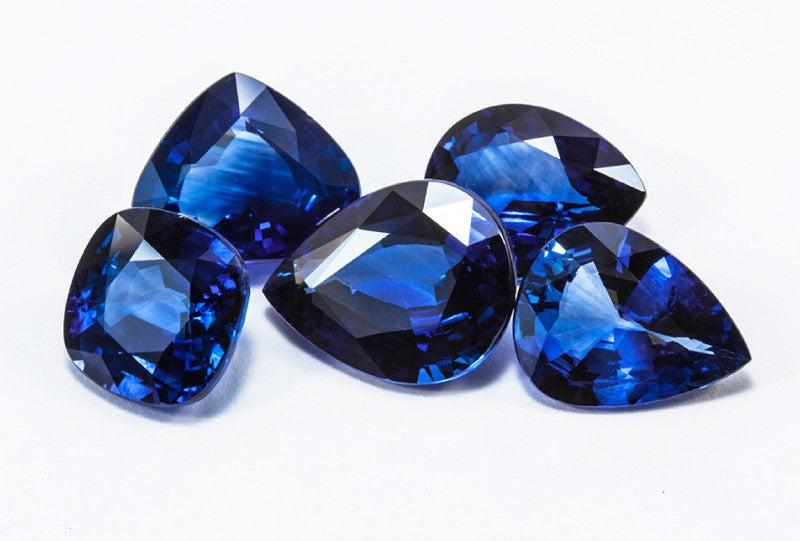
Can sapphire be Red?
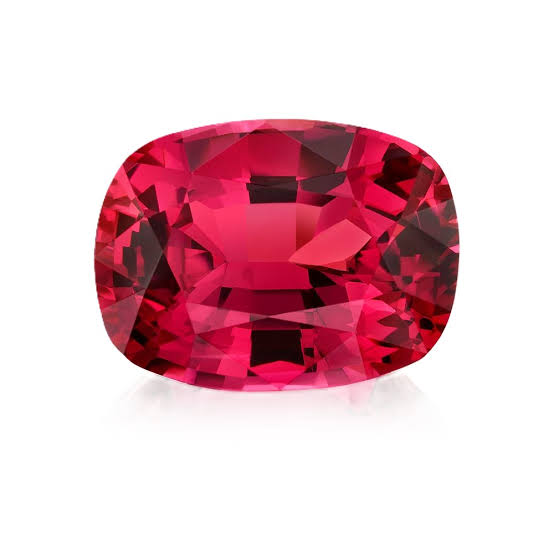
Yes — a sapphire can be red in terms of mineral composition, but in gemology, a red corundum gemstone is not called a sapphire. It is classified as a ruby. Both sapphires and rubies belong to the same mineral family: corundum. The difference is based mainly on color: Blue corundum → sapphire Red corundum → ruby Yellow, pink, green, purple, white, or orange corundum → sapphire Can a Sapphire Look Red? Some sapphires may appear: Pinkish-red Purplish-red Orangish-red However, if the color becomes strongly red,...
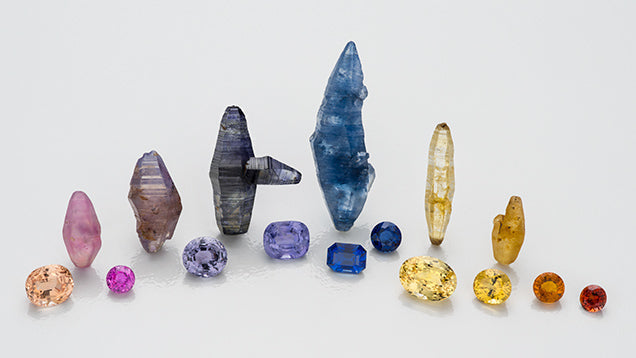
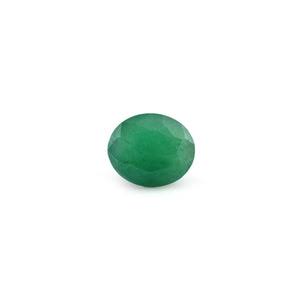
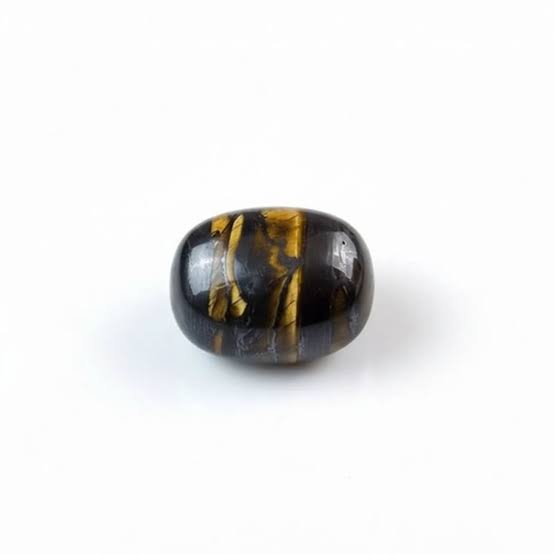
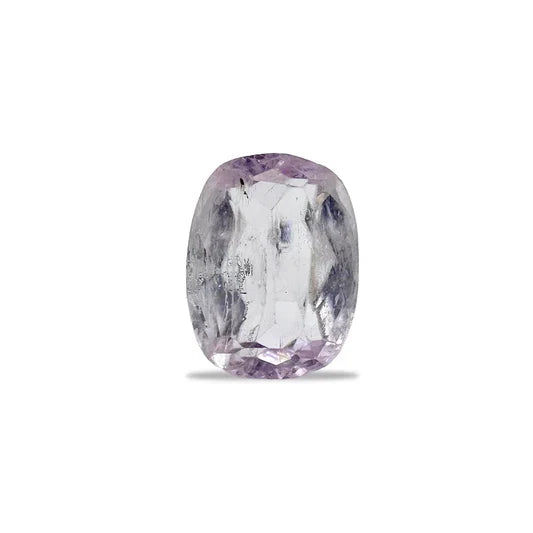
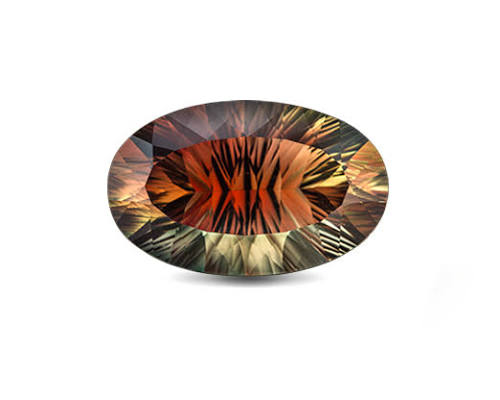
Different colors of Sapphires
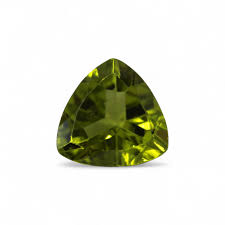
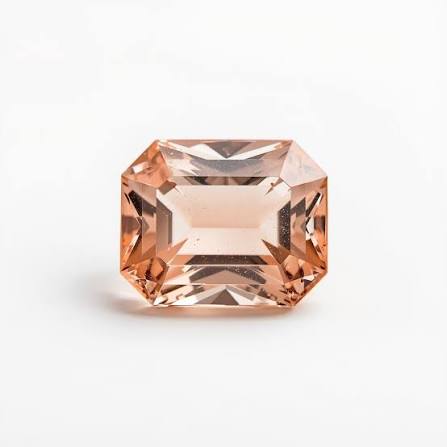
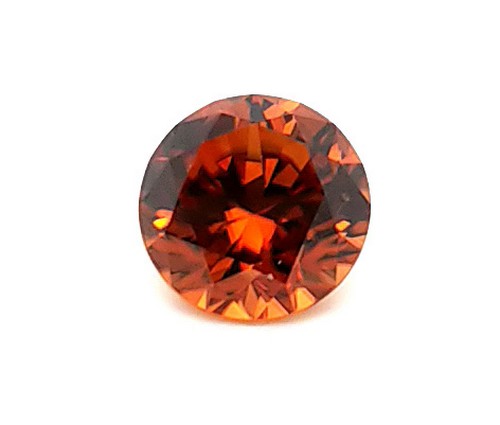
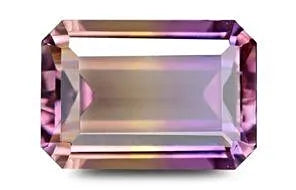
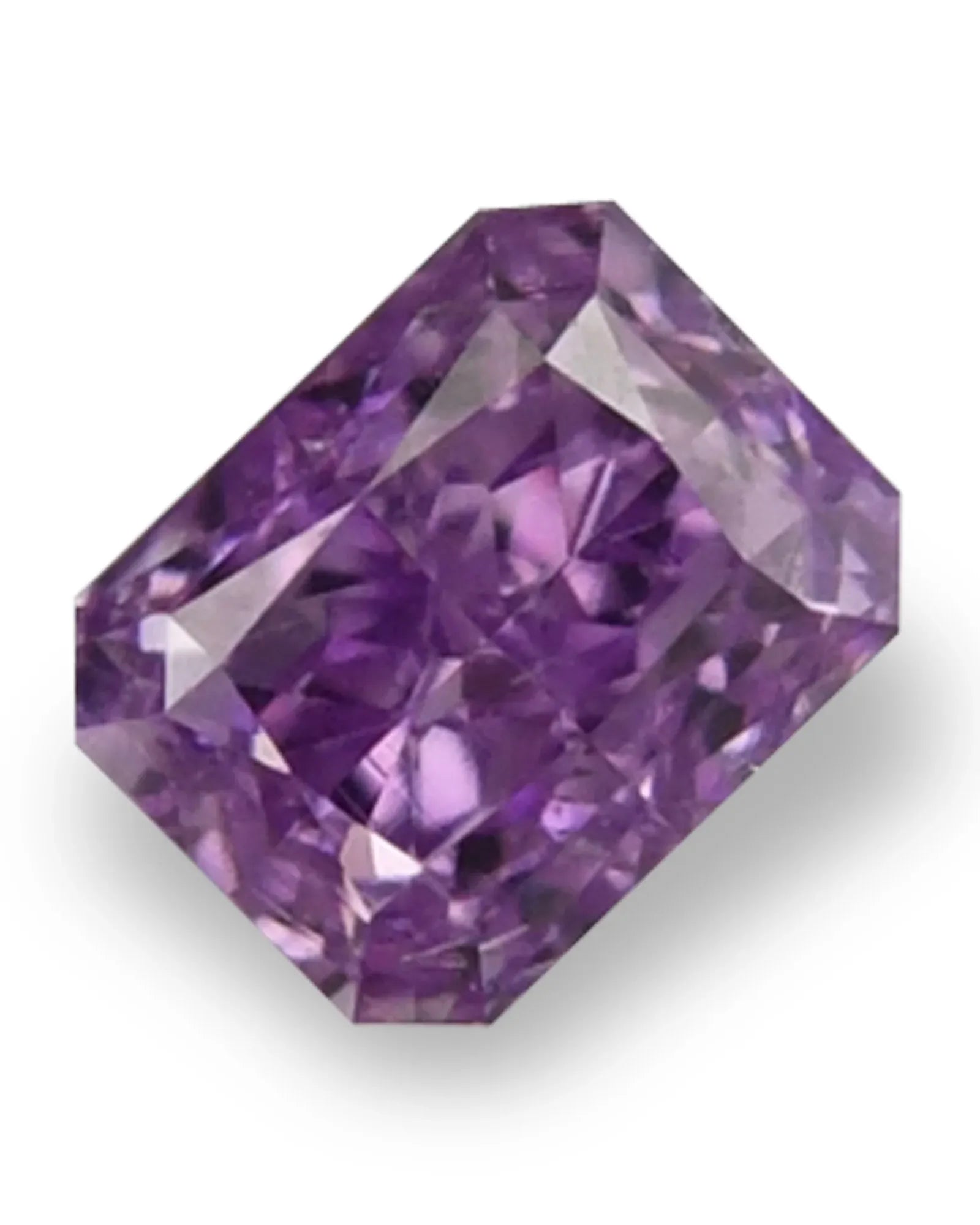
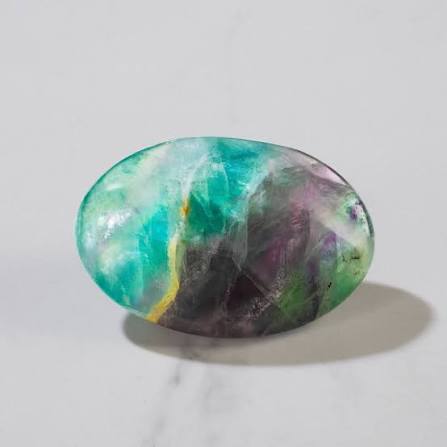
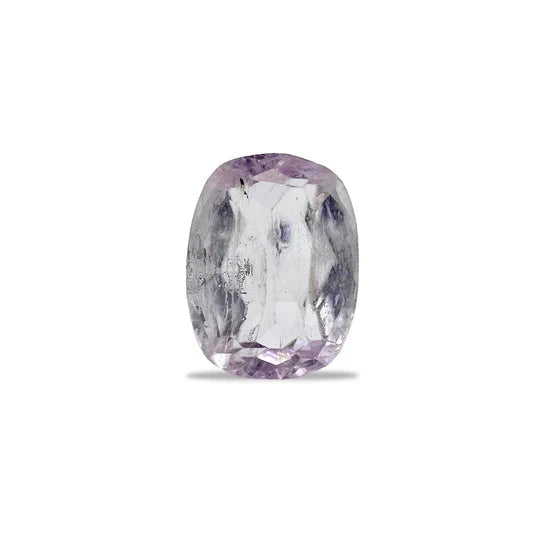
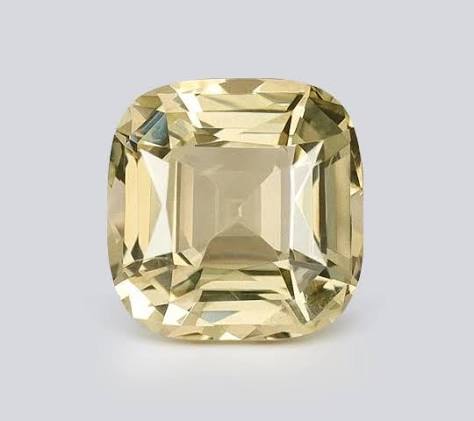
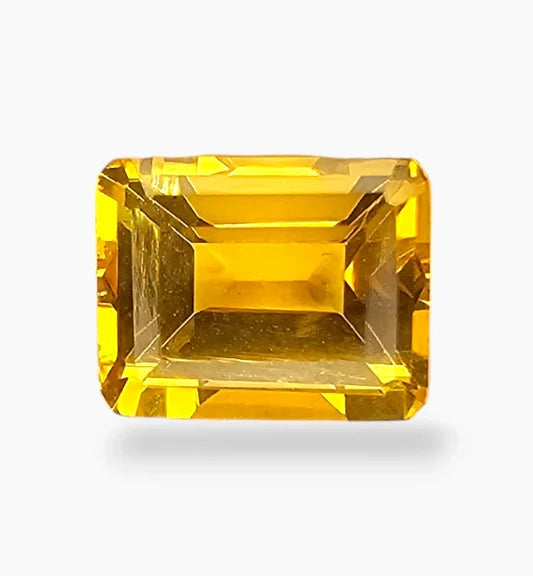
(Image Credit - GIA) Sapphires are among the most admired and valuable gemstones in the world, celebrated for their brilliance, resilience and exceptional beauty. While traditionally associated with deep blue hues, sapphires actually occur in nearly every color except red (which is classified as ruby). Each color variation is created by trace elements within the mineral corundum and carries distinct visual, cultural, and market significance. Blue Sapphire Blue sapphires are the most iconic and historically significant variety. Their color is caused primarily by iron and titanium...