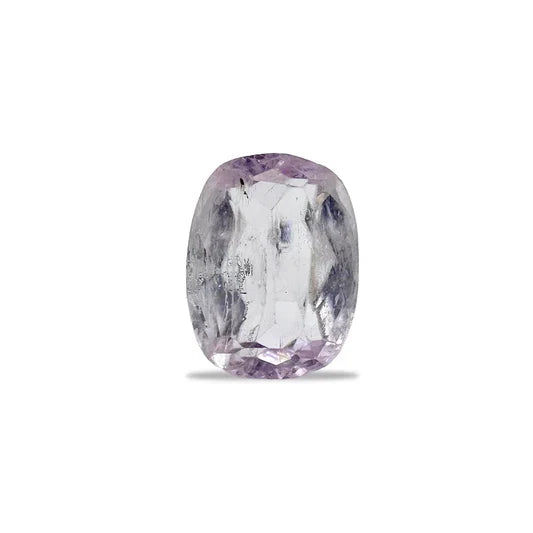
What gemstones belong to the Beryl Family?
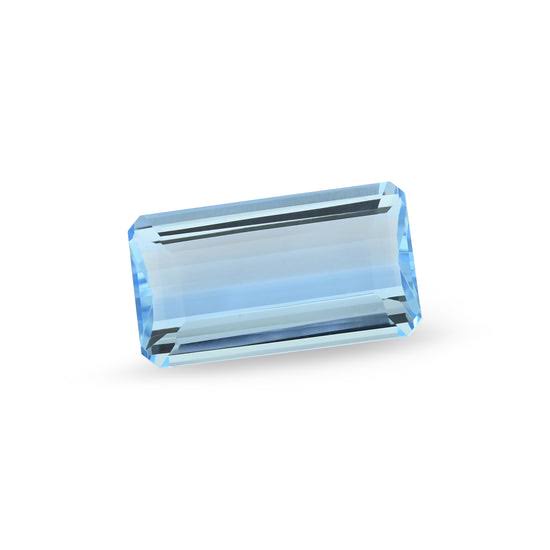
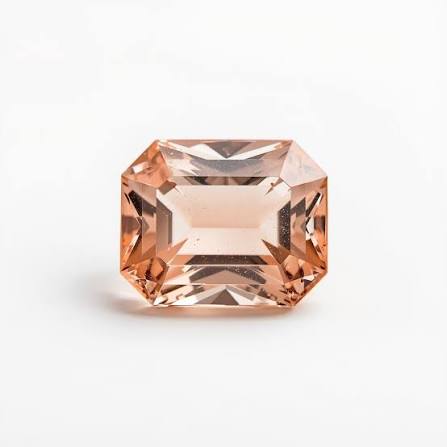
The beryl family is one of the most important and fascinating groups in the world of gemstones. Many of the most admired and valuable gems belong to this family, including emerald and aquamarine. Beryl gemstones are known for their beauty, hardness, brilliance, and variety of colors. Scientifically, beryl is a mineral composed mainly of beryllium aluminum cyclosilicate. Its chemical formula is Be₃Al₂Si₆O₁₈. Although all beryl gemstones share the same basic crystal structure, tiny traces of different elements produce a wide range of colors. Here are...
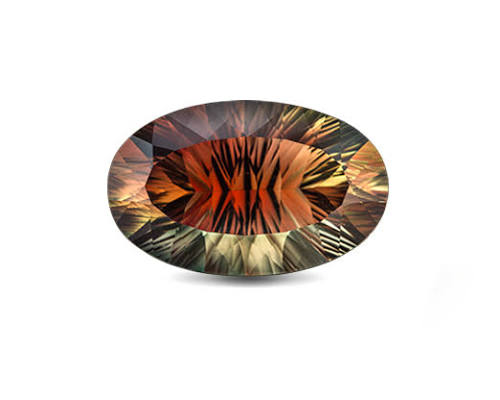
What are Petroleum Quartz?
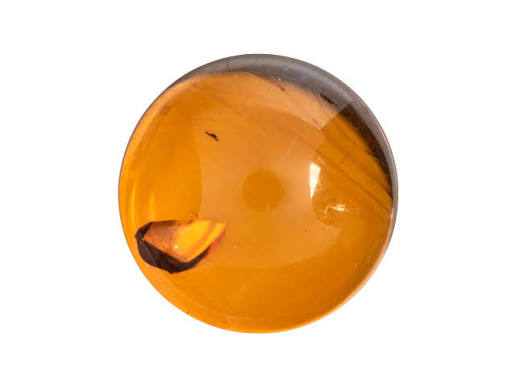
Petroleum quartz is a type of clear or smoky quartz crystal that contains natural liquid petroleum (hydrocarbon) inclusions trapped inside during its formation. These inclusions are usually visible as moving bubbles or dark liquid pockets inside the stone. It is not man-made; it forms naturally over millions of years in hydrocarbon-rich geological environments. Key Properties of Petroleum Quartz 1. Unique Liquid Inclusions Contains crude oil or petroleum trapped inside fluid cavities Inclusions may move when the crystal is tilted Creates a “living” or dynamic visual...
Why Kashmiri Sapphires are special?
Among the world’s most admired gemstones, the Kashmiri Blue Sapphire stands in a category of its own. Revered for its velvety glow, hypnotic hue, and astonishing rarity, this gemstone has fascinated collectors, royals, and jewel enthusiasts for more than a century. The Origin of Kashmiri Blue Sapphires Kashmiri sapphires originate from the remote Himalayan region of Kashmir, located in the northern part of the Indian subcontinent. The mines were discovered in the late nineteenth century near the Zanskar mountain range at extremely high altitudes. Kashmiri...
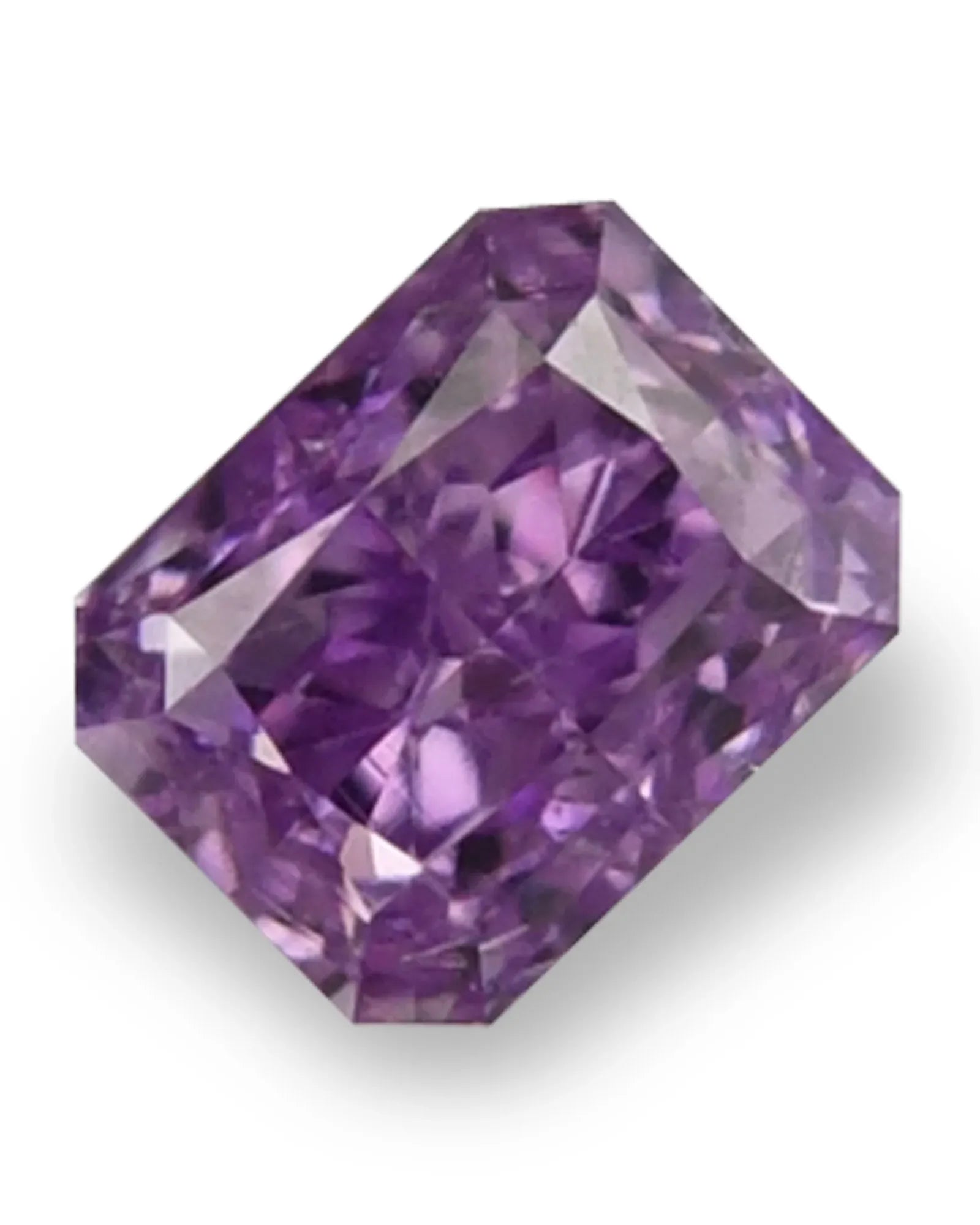
Can sapphire be Red?
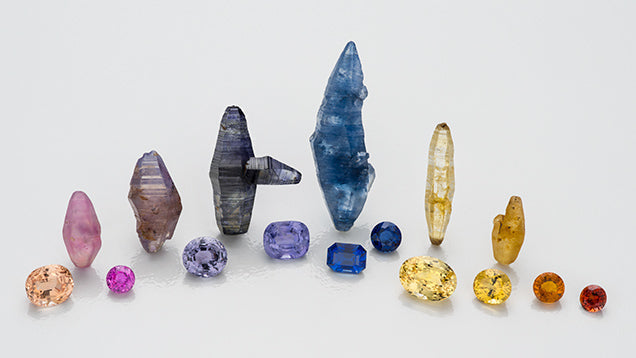
Yes — a sapphire can be red in terms of mineral composition, but in gemology, a red corundum gemstone is not called a sapphire. It is classified as a ruby. Both sapphires and rubies belong to the same mineral family: corundum. The difference is based mainly on color: Blue corundum → sapphire Red corundum → ruby Yellow, pink, green, purple, white, or orange corundum → sapphire Can a Sapphire Look Red? Some sapphires may appear: Pinkish-red Purplish-red Orangish-red However, if the color becomes strongly red,...