


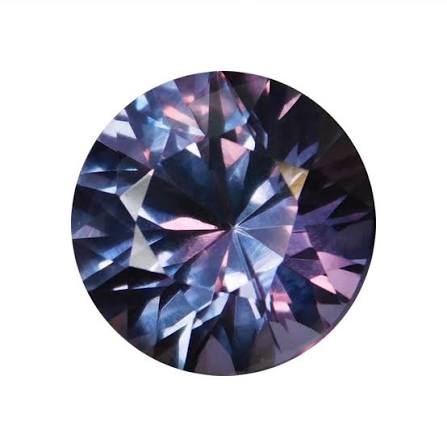
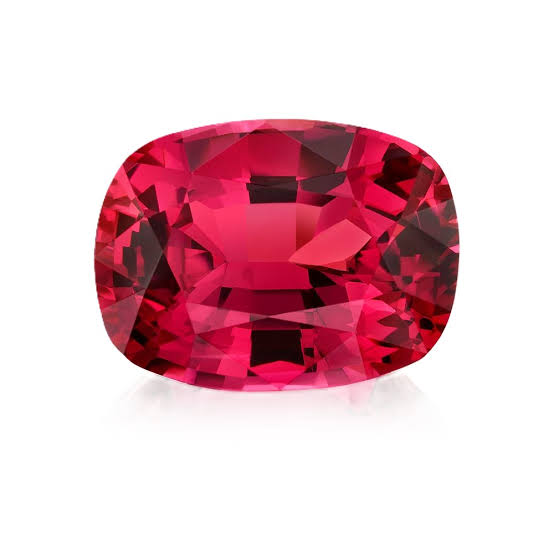

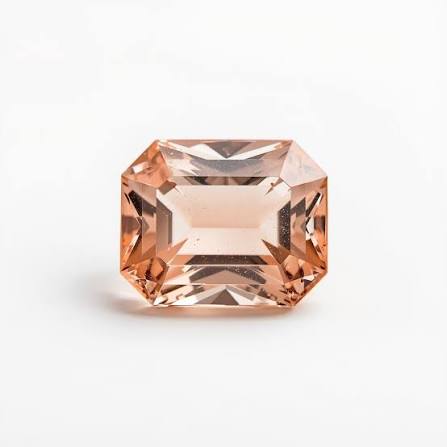
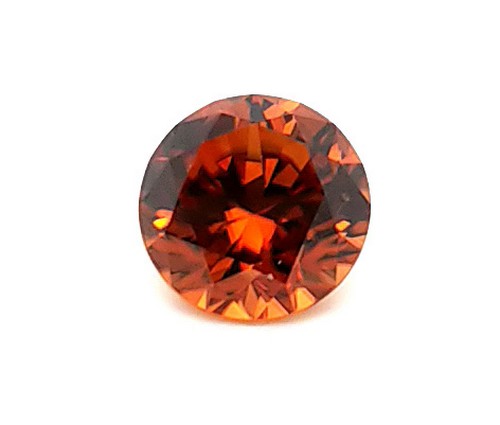



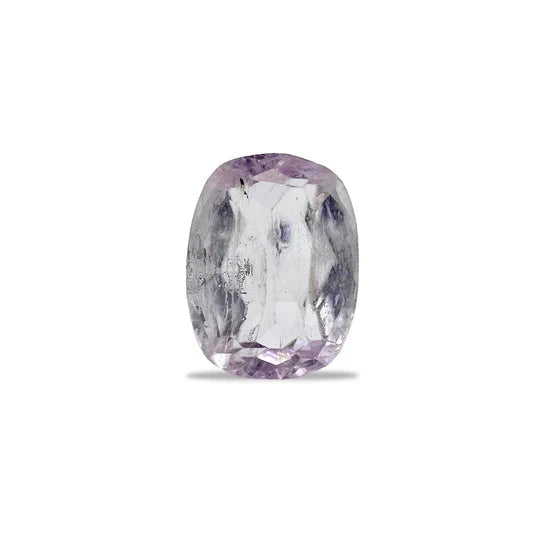
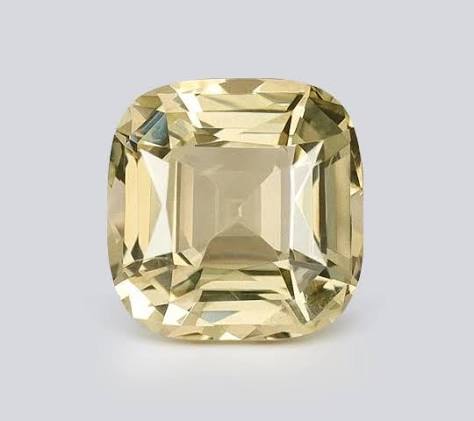
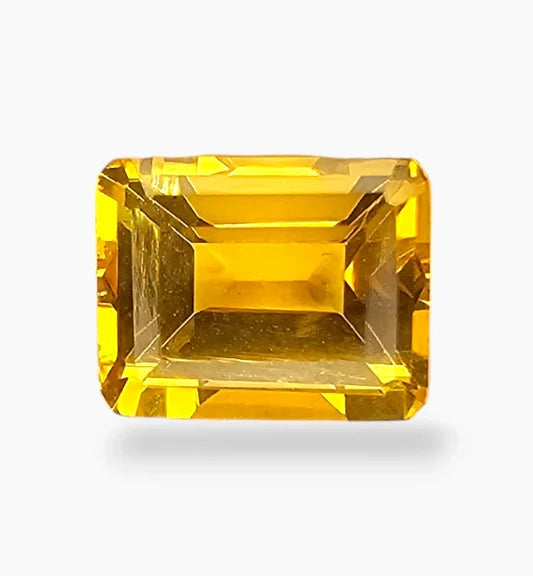



Birthstone for April - Aries (March 21 – April 19) Taurus (April 20 – May 20)
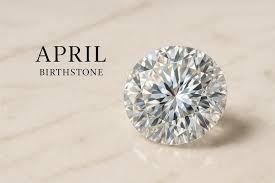
April Birthstone: Diamond – The Timeless Symbol of Strength, Purity, and Eternal Love
April is a month that symbolizes renewal, growth, and the beauty of spring. As flowers bloom and nature awakens, those born in April are represented by one of the world's most treasured and admired gemstones: the diamond.
The word "diamond" comes from the Greek word adamas, meaning "invincible" or "unbreakable." This name perfectly reflects the gemstone's extraordinary durability.
A diamond is a precious gemstone composed entirely of carbon atoms arranged in a highly organized crystal structure. This arrangement creates one of the strongest natural materials known to science.
Diamonds form deep within the Earth's mantle under extreme heat and pressure. Over millions or even billions of years, volcanic activity brings these crystals closer to the Earth's surface, where they can eventually be mined.
The History of Diamonds
Diamonds have a rich history that spans more than two thousand years.
Ancient India
India was the first known source of diamonds and remained the world's primary supplier for centuries. Ancient Indians valued diamonds as symbols of power, protection, and spiritual strength.
Early diamonds were often worn as talismans believed to ward off evil spirits and bring good fortune.
Ancient Rome
The Romans admired diamonds for their rarity and durability. They believed diamonds were fragments of fallen stars or tears of the gods.
Middle Ages
During the Middle Ages, diamonds became associated with royalty and nobility. Kings and queens adorned crowns, scepters, and ceremonial jewelry with diamonds to display wealth and authority.
People also believed diamonds possessed healing powers and could cure various ailments.
Renaissance Period
Advances in gem cutting during the Renaissance allowed diamonds to display greater brilliance. Their popularity increased among European aristocrats and wealthy merchants.
Modern Era
The discovery of major diamond deposits in Africa during the nineteenth century transformed the diamond industry. Increased availability made diamonds more accessible while maintaining their status as symbols of luxury and prestige.
How Diamonds Are Formed
The formation of diamonds is one of nature's most remarkable processes.
Diamonds originate approximately 140 to 190 kilometers beneath the Earth's surface in the mantle. Here, carbon atoms are subjected to temperatures exceeding 1,000 degrees Celsius and immense pressure.
Over billions of years, these conditions cause carbon atoms to bond into a crystal lattice structure. Volcanic eruptions then transport diamonds to the surface through rare geological formations known as kimberlite pipes.
Most natural diamonds are between one and three billion years old, making them among the oldest natural objects found on Earth.
The Four Cs of Diamond Quality
Diamonds are evaluated using four primary criteria known as the Four Cs.
Carat Weight
Carat refers to the weight of a diamond. One carat equals 200 milligrams.
Larger diamonds are generally rarer and more valuable, although quality factors also influence pricing.
Cut
Cut determines how well a diamond reflects light.
A well-cut diamond maximizes brilliance, fire, and sparkle. Cut is often considered the most important factor affecting a diamond's appearance.
Color
Most diamonds are graded on a scale from D (colorless) to Z (light yellow or brown).
Colorless diamonds are typically the most valuable because they allow maximum light transmission.
Clarity
Clarity measures the presence of internal inclusions and external blemishes.

Fancy Colored Diamonds
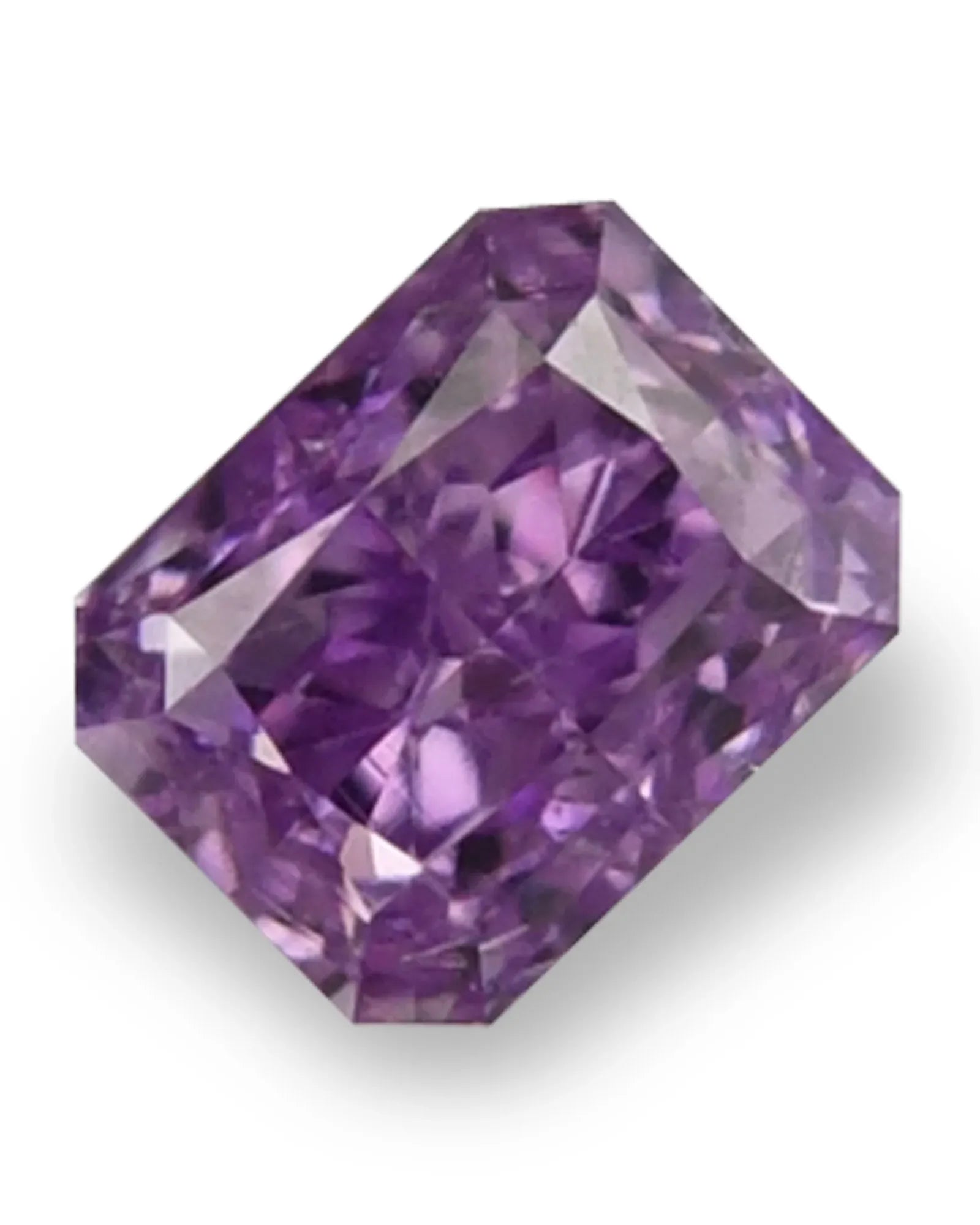
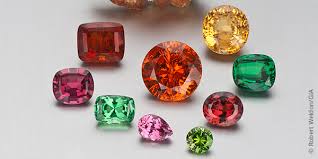
Although colorless diamonds are most common in jewelry, natural diamonds occur in various colors.
Yellow Diamonds
Yellow diamonds derive their color from nitrogen impurities and are among the most common fancy-colored diamonds.
Pink Diamonds
Pink diamonds are exceptionally rare and highly prized by collectors.
Blue Diamonds
Blue diamonds owe their color to traces of boron and are among the world's most valuable gemstones.
Green Diamonds
Natural radiation exposure gives green diamonds their unique color.
Black Diamonds
Black diamonds possess a bold and dramatic appearance that appeals to modern jewelry enthusiasts.
Red Diamonds
Red diamonds are considered among the rarest gemstones on Earth.
Famous Diamonds in History
Several diamonds have achieved legendary status due to their size, beauty, or historical significance.
The Cullinan Diamond
The Cullinan Diamond is the largest gem-quality rough diamond ever discovered. It was found in South Africa in 1905 and weighed over 3,100 carats.
The Hope Diamond
One of the most famous diamonds in the world, the Hope Diamond is known for its striking blue color and fascinating history.
The Koh-i-Noor
The Koh-i-Noor has been part of royal collections for centuries and remains one of the world's most famous diamonds.
The Regent Diamond
This remarkable diamond has adorned French royal jewelry and is celebrated for its exceptional quality.
Fun Facts About Diamonds
- Diamonds are composed entirely of carbon.
- They are the hardest natural material on Earth.
- Most diamonds formed billions of years ago.
- Diamonds can be found in various colors.
- The largest rough diamond ever discovered weighed over 3,100 carats.
- Some diamonds originated from deep within the Earth's mantle.
- Diamonds can conduct heat exceptionally well.
- Lab-grown diamonds are chemically identical to natural diamonds.
Diamond, the birthstone for April, is much more than a beautiful gemstone. It is a symbol of strength, purity, courage, prosperity, and everlasting love. Formed deep within the Earth over billions of years, diamonds represent one of nature's most extraordinary creations.


%20Taurus%20(April%2020%20%E2%80%93%20May%2020))