
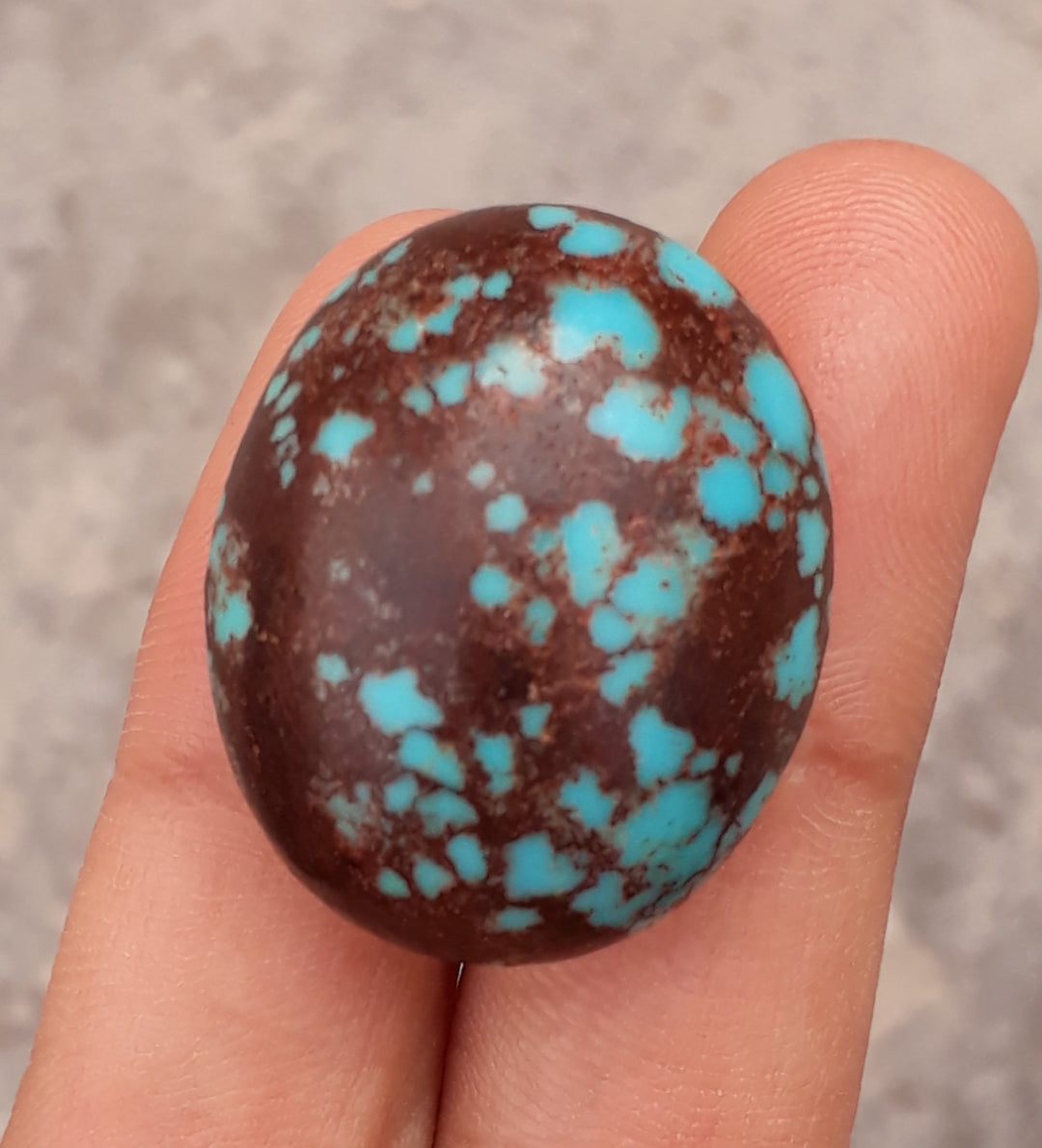
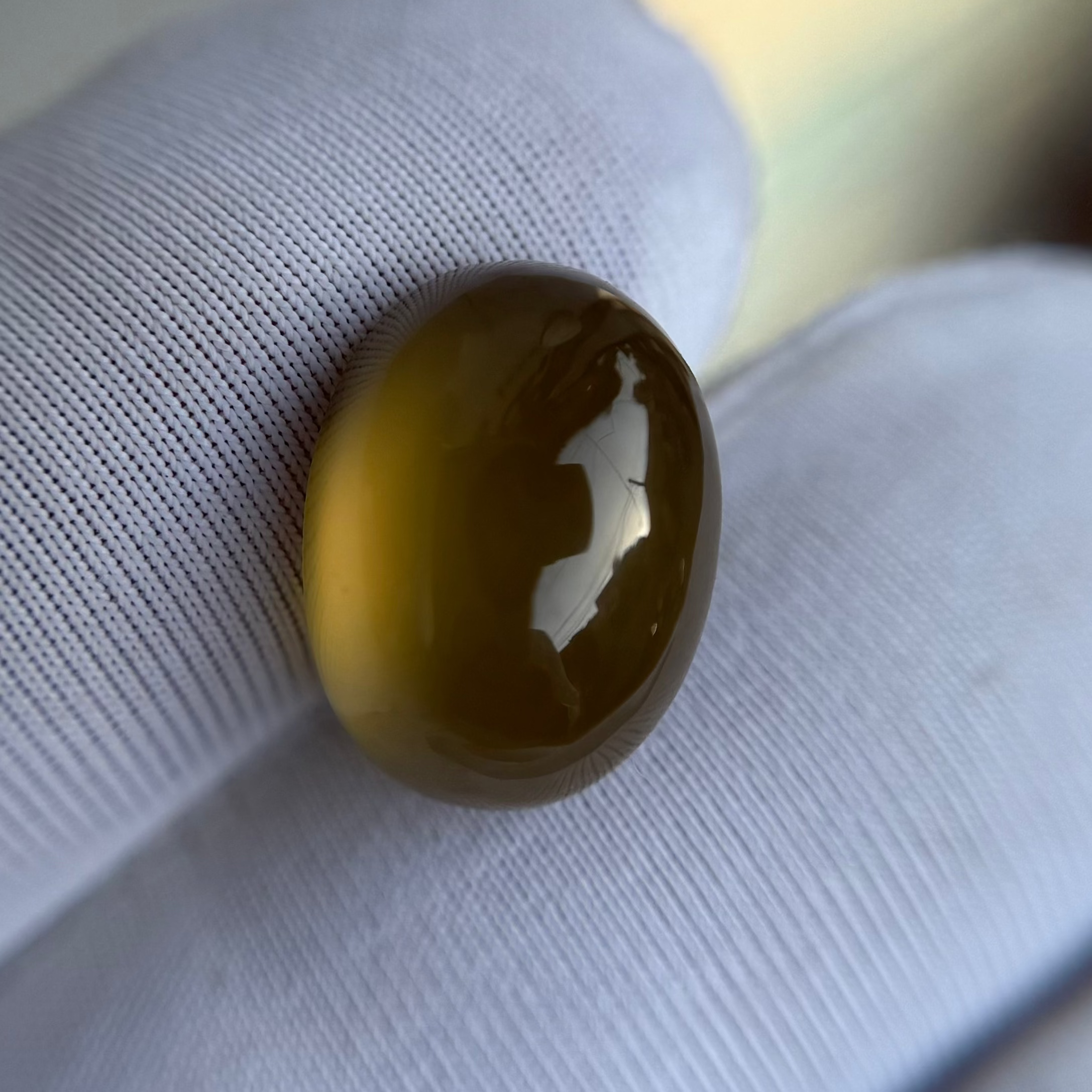
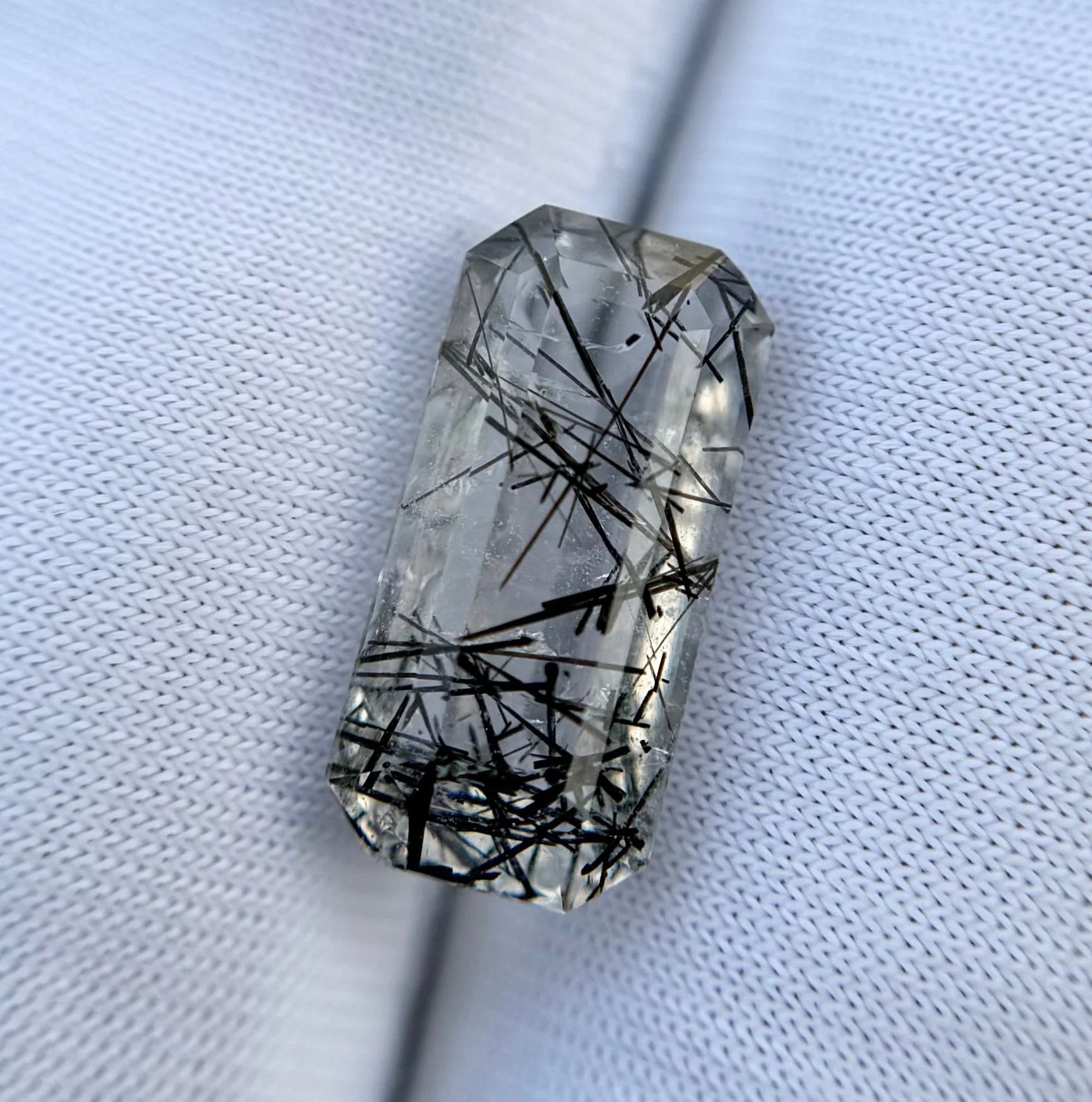
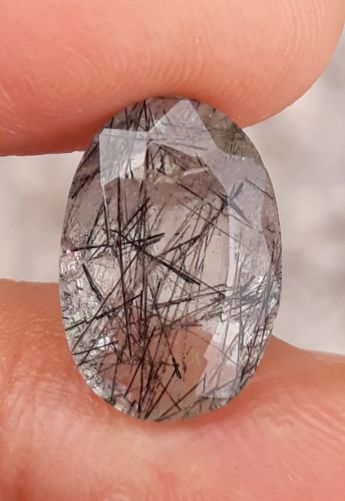
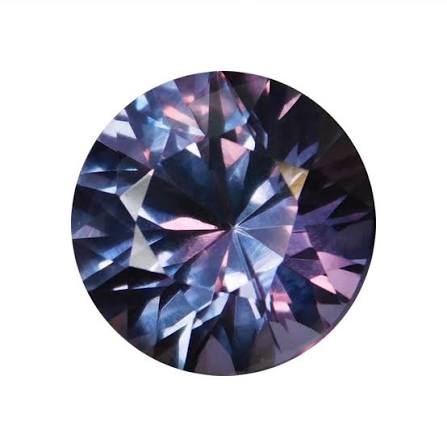
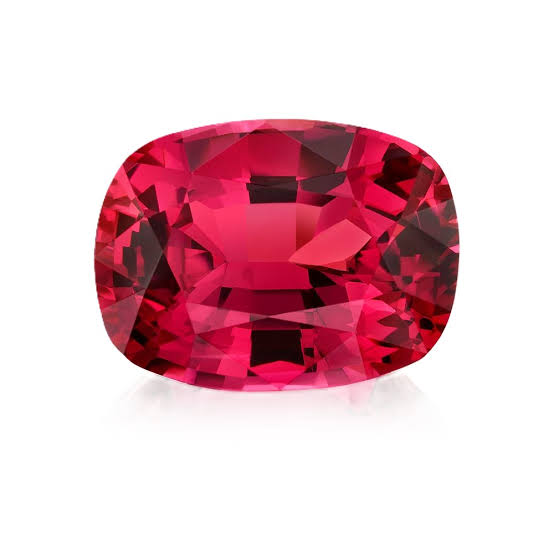
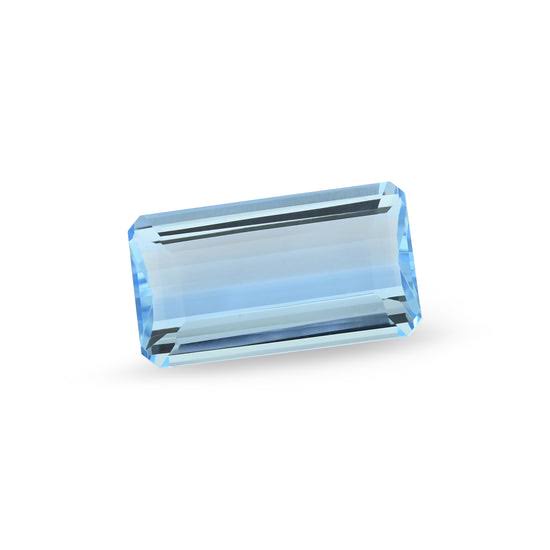
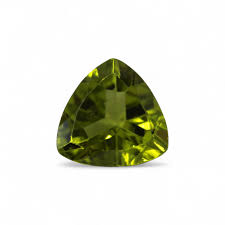
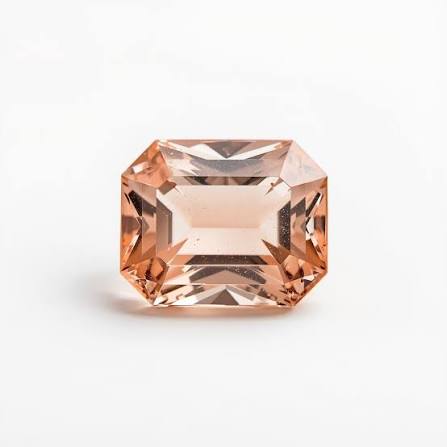
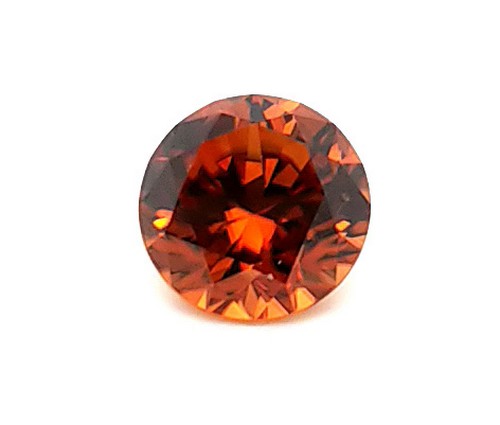
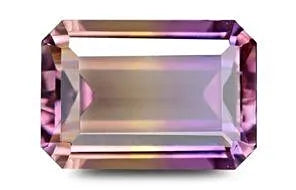
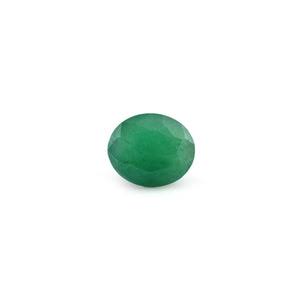
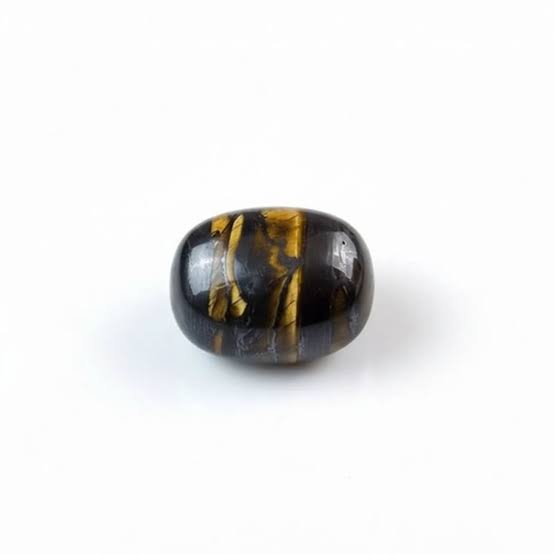
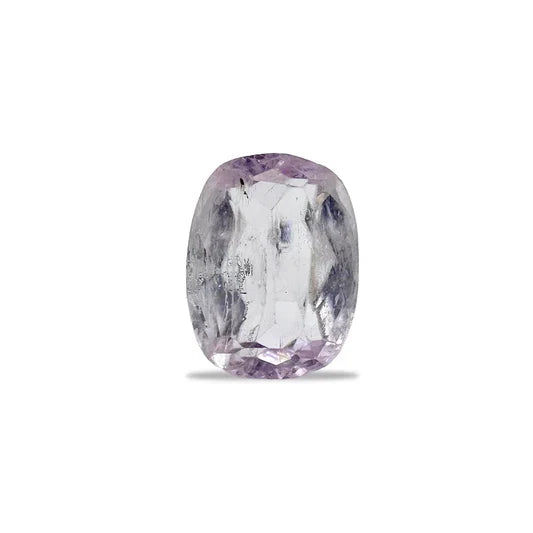
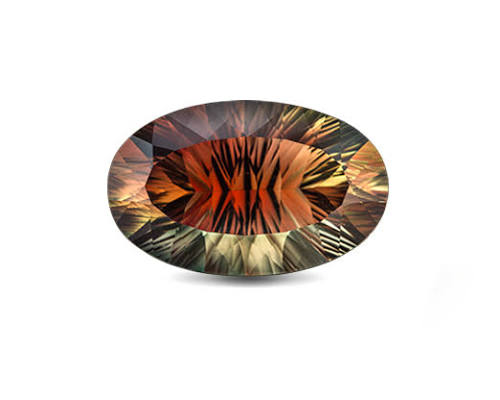
Birthstone for February - Aquarius (Jan 20 – Feb 18) Pisces (February 19 – March 20)
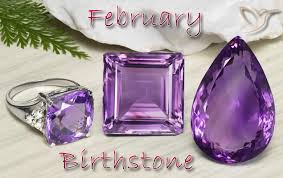
February Birthstone: Amethyst – The Gemstone of Wisdom, Serenity, and Royalty
February, the second month of the year, is often associated with love, reflection, and the transition from winter toward spring.
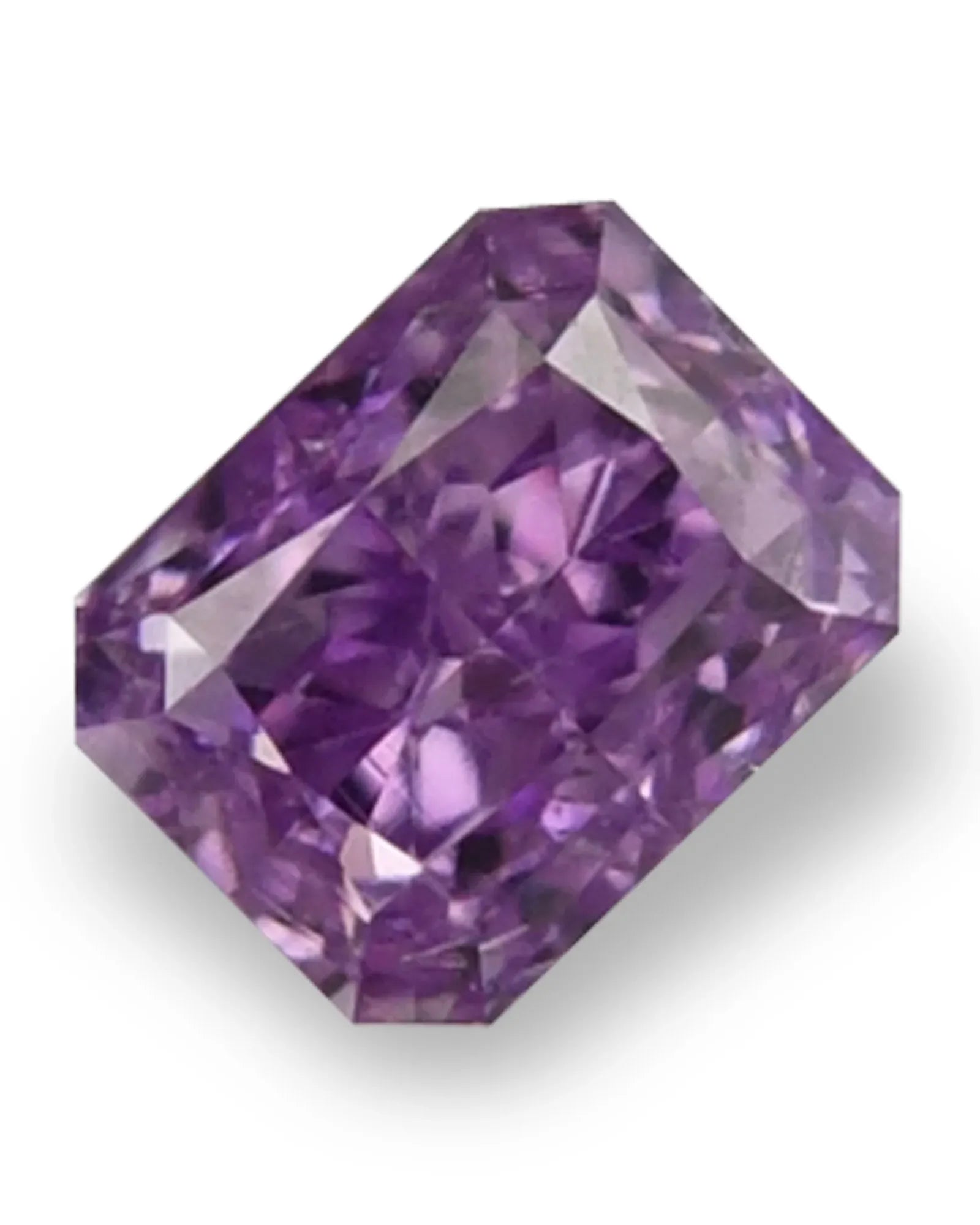
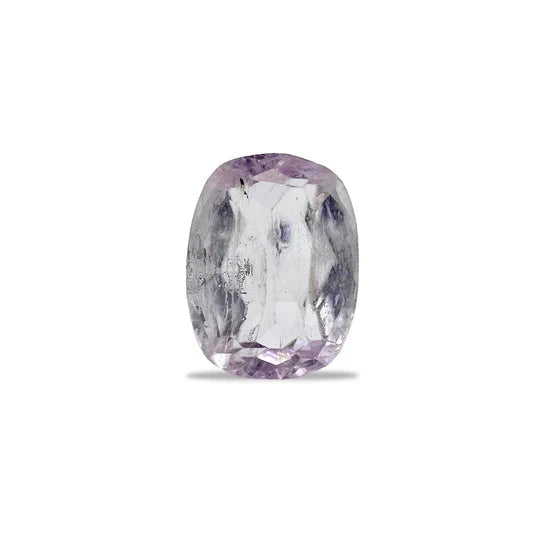
Amethyst is a variety of quartz known for its stunning shades ranging from pale lavender to deep violet.
Amethyst is a purple variety of quartz, one of the most abundant minerals found on Earth. Its distinctive color comes from trace amounts of iron and natural irradiation within the crystal structure. Depending on the concentration of these elements, amethyst can display a wide range of purple shades.
The name "amethyst" originates from the Greek word amethystos, which means "not intoxicated."

The History of Amethyst
Amethyst has a fascinating history that spans thousands of years and multiple civilizations.
Ancient Greece
The ancient Greeks highly valued amethyst and associated it with sobriety and clear thinking. They believed wearing amethyst jewelry or drinking from amethyst cups could prevent intoxication. Greek mythology tells the story of a young woman named Amethyst, who was transformed into a crystal by the goddess Artemis. The god Dionysus later. poured wine over the crystal, giving it its distinctive purple color.
Ancient Rome
The Romans adopted many Greek beliefs about amethyst and used it in rings, amulets, and decorative objects. Roman nobles often wore amethyst as a symbol of wealth and sophistication.
Ancient Egypt
Egyptians crafted amethyst into beads, seals, and talismans. The gemstone was considered protective and was frequently included in burial treasures.
Medieval Europe
During the Middle Ages, amethyst became associated with royalty and religious authority. Bishops often wore amethyst rings as symbols of spiritual wisdom and purity. European monarchs adorned crowns, scepters, and ceremonial jewelry with amethyst gemstones.
Renaissance and Victorian Eras
Amethyst remained highly desirable throughout the Renaissance and Victorian periods. Before large deposits were discovered in South America, amethyst was considered nearly as valuable as diamonds, rubies, sapphires, and emeralds.
The Color of Amethyst
The defining feature of amethyst is its beautiful purple color. Purple has long been associated with luxury, power, wisdom, and spirituality.
Amethyst colors range from:
- Pale lavender
- Light violet
- Medium purple
- Deep royal purple
- Reddish-purple
- Bluish-purple
The most valuable amethysts often display a rich purple color with flashes of red or blue. However, personal preference plays a significant role in determining which shade is considered most attractive.
Color consistency, saturation, and clarity significantly influence the gemstone's value and appeal.

Geological Formation of Amethyst
Amethyst forms under unique geological conditions. It develops within cavities in volcanic rocks where mineral-rich solutions slowly crystallize over millions of years.
As the crystals grow, trace amounts of iron become incorporated into the quartz structure. Natural radiation from surrounding rocks alters the iron atoms, creating the gemstone's characteristic purple color.
Major Sources of Amethyst
Amethyst is mined in many countries around the world, with some regions producing particularly exceptional specimens.
Brazil
Brazil is one of the largest producers of amethyst. The country is famous for enormous geodes filled with vibrant purple crystals.
Uruguay
Uruguay produces some of the finest amethyst in the world. Uruguayan amethysts are often known for their deep, rich purple color.
Zambia
Zambian amethysts are highly regarded for their intense color and excellent clarity. Many luxury jewelry brands source gemstones from this region.
Russia
Historically, Russia supplied premium-quality amethysts that were highly valued by European royalty.
South Korea
South Korea produces beautiful amethyst crystals used in jewelry and decorative objects.
United States
Amethyst deposits can be found in several U.S. states, including Arizona, North Carolina, and Pennsylvania.
Madagascar
Madagascar has become an important source of high-quality amethyst in recent decades.
Fun Facts About Amethyst
- Amethyst is the official birthstone for February.
- It is the traditional gemstone for the sixth wedding anniversary.
- Ancient Greeks believed it could prevent drunkenness.
- Some amethyst geodes weigh several tons.
- Purple amethyst was once considered as valuable as precious gemstones like rubies and sapphires.
- The gemstone belongs to the quartz family.
- Large amethyst crystals can grow over a meter in length.
- Amethyst has been used in royal jewelry for centuries.
Amethyst, the birthstone for February, is a gemstone of extraordinary beauty, history, and symbolism. Its captivating purple color has enchanted civilizations for thousands of years, earning a place in royal treasures, religious artifacts, and personal jewelry collections around the world.

%20Pisces%20(February%2019%20%E2%80%93%20March%2020))