














Fancy Color Price Index Records Stable Performance in the Second Quarter

Fancy-Color Price Index Holds Steady in Second Quarter
Prices for fancy-color diamonds edged down 0.1% in the second quarter, as gains in pink diamonds largely offset modest declines in blue and yellow categories, according to the Fancy Color Research Foundation (FCRF).
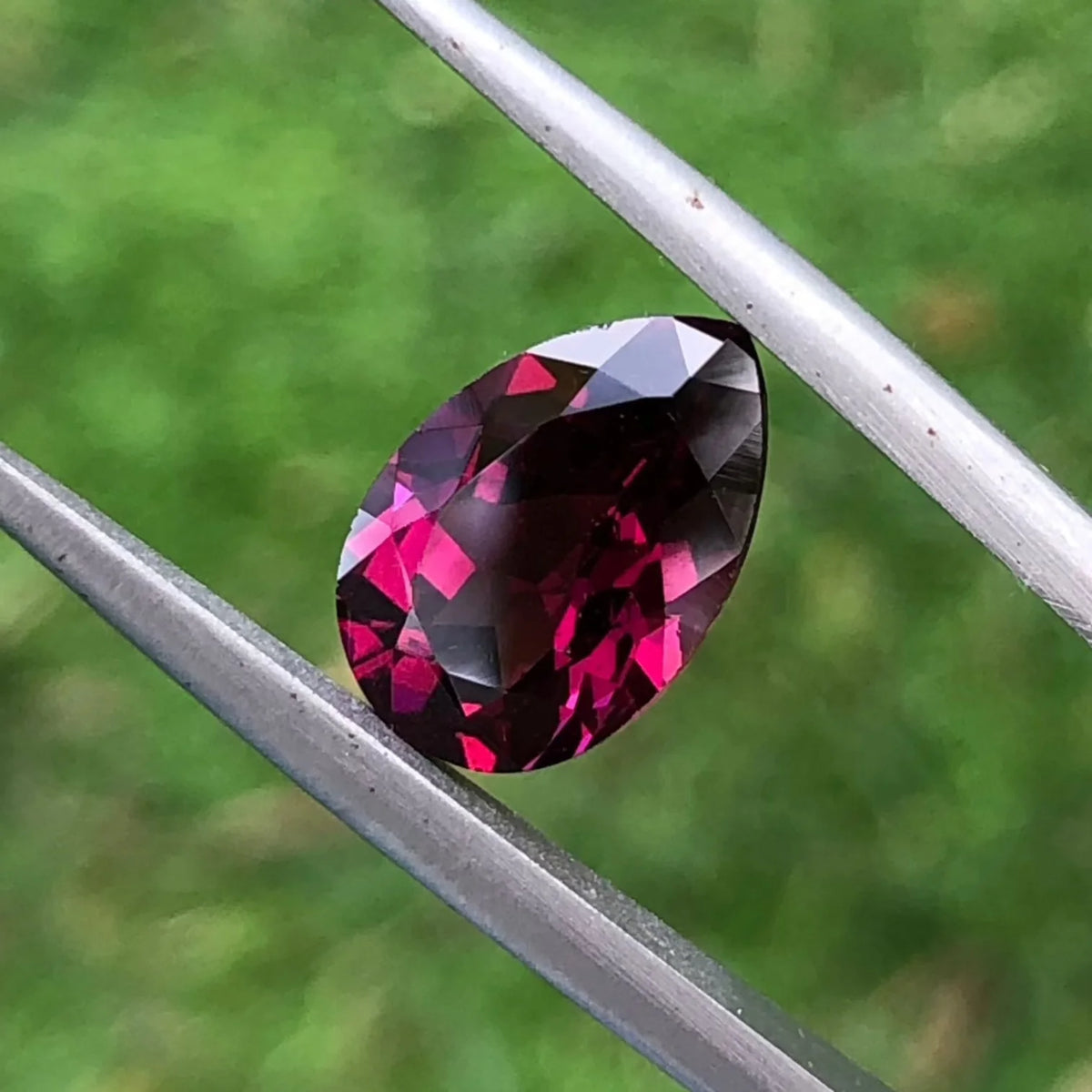
Pink diamonds posted the strongest performance during the three months ended June 30, rising 0.1% after a 0.3% decline in the first quarter, the FCRF reported Monday. Growth was concentrated in smaller and mid-sized stones, with both 2-carat and 3-carat pink diamonds increasing 0.6%, while 1-carat and 1.5-carat stones gained 0.4% each. Fancy-vivid pink diamonds led the category with a 0.5% rise. Fancy-pink diamonds advanced 0.1%, while fancy-intense pinks dipped 0.1%.
Blue diamonds, by contrast, fell 0.4%, following a 0.3% decline in the previous quarter. Among size categories, 1-carat blue diamonds rose 0.7% and 5-carat stones were unchanged. However, 2-carat blues dropped 1.3%, while 3-carat and 1.5-carat stones declined 0.7% and 0.2%, respectively. Fancy-vivid blue diamonds weighing 1 carat delivered the strongest individual performance, climbing 1.5%. Overall, fancy-vivid blues edged up 0.1%, while both fancy and fancy-intense blue diamonds fell 0.6%.
Yellow diamonds also weakened, with prices slipping 0.3% for the quarter, matching the pace of decline seen in the first three months of the year. Three-carat yellow diamonds recorded the largest gain, rising 0.7%, while 1.5-carat and 2-carat stones each eased 0.1%. Fancy-vivid yellows increased 0.1%, whereas fancy yellows declined by the same margin. Fancy-intense yellow diamonds experienced the steepest drop in the category, falling 1.3%.
"Overall, the second-quarter results point to a market that remained broadly stable, with modest gains and declines distributed unevenly across individual categories," the FCRF said. "The overall index showed virtually no movement, while differences by color, size and intensity continued to shape performance within the market. The data does not indicate a broad directional shift, but rather a continuation of selective pricing adjustments across specific segments."