What are different colors of Diamonds?

-
Diamond is a naturally occurring mineral made entirely of carbon atoms.
-
Diamonds are formed deep inside the Earth under:
-
Extremely high pressure
-
Very high temperatures
-
-
They are considered one of the hardest natural substances on Earth.
Colors of Diamonds
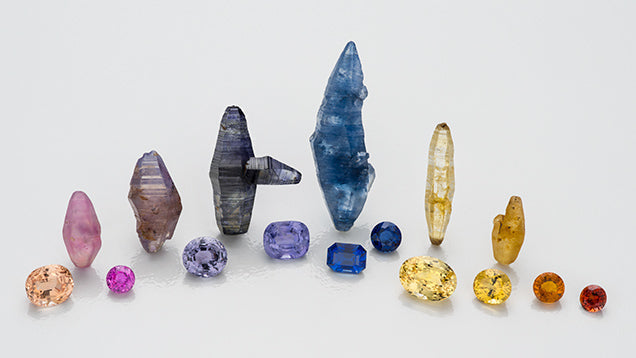
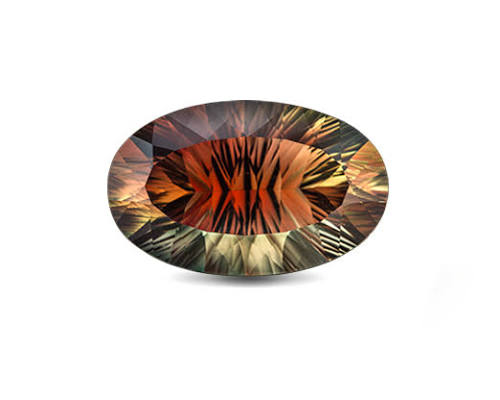
Diamonds occur in many colors, including:
- Colorless (White) Diamond
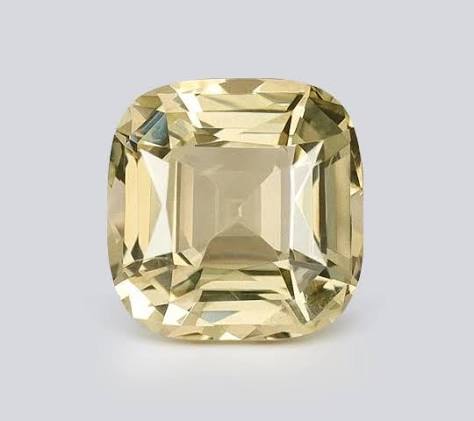
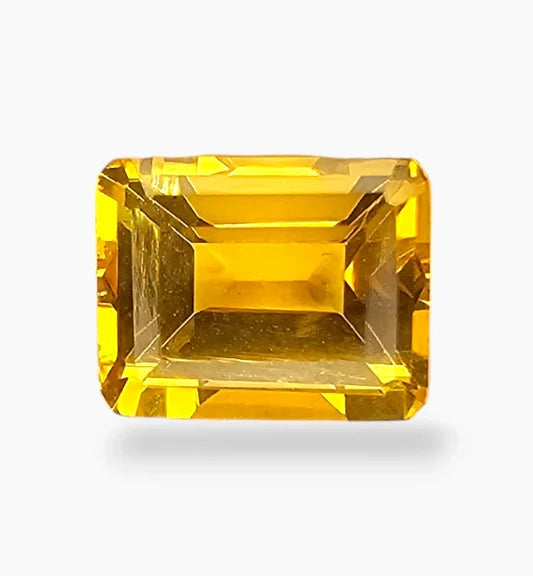
- Yellow Diamond
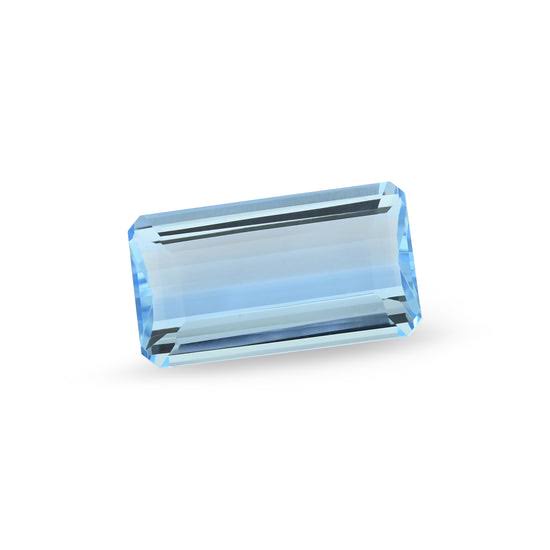
- Blue Diamond
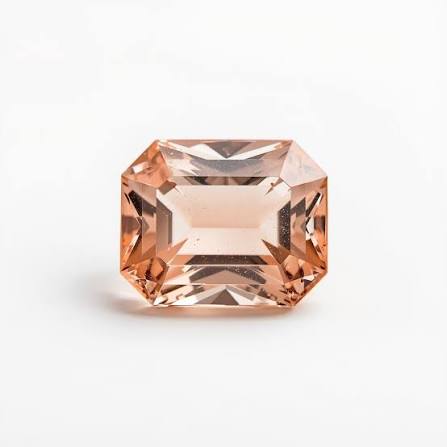
- Pink Diamond
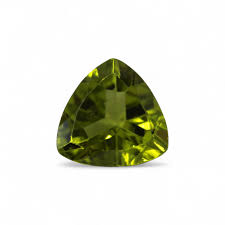
- Green Diamond
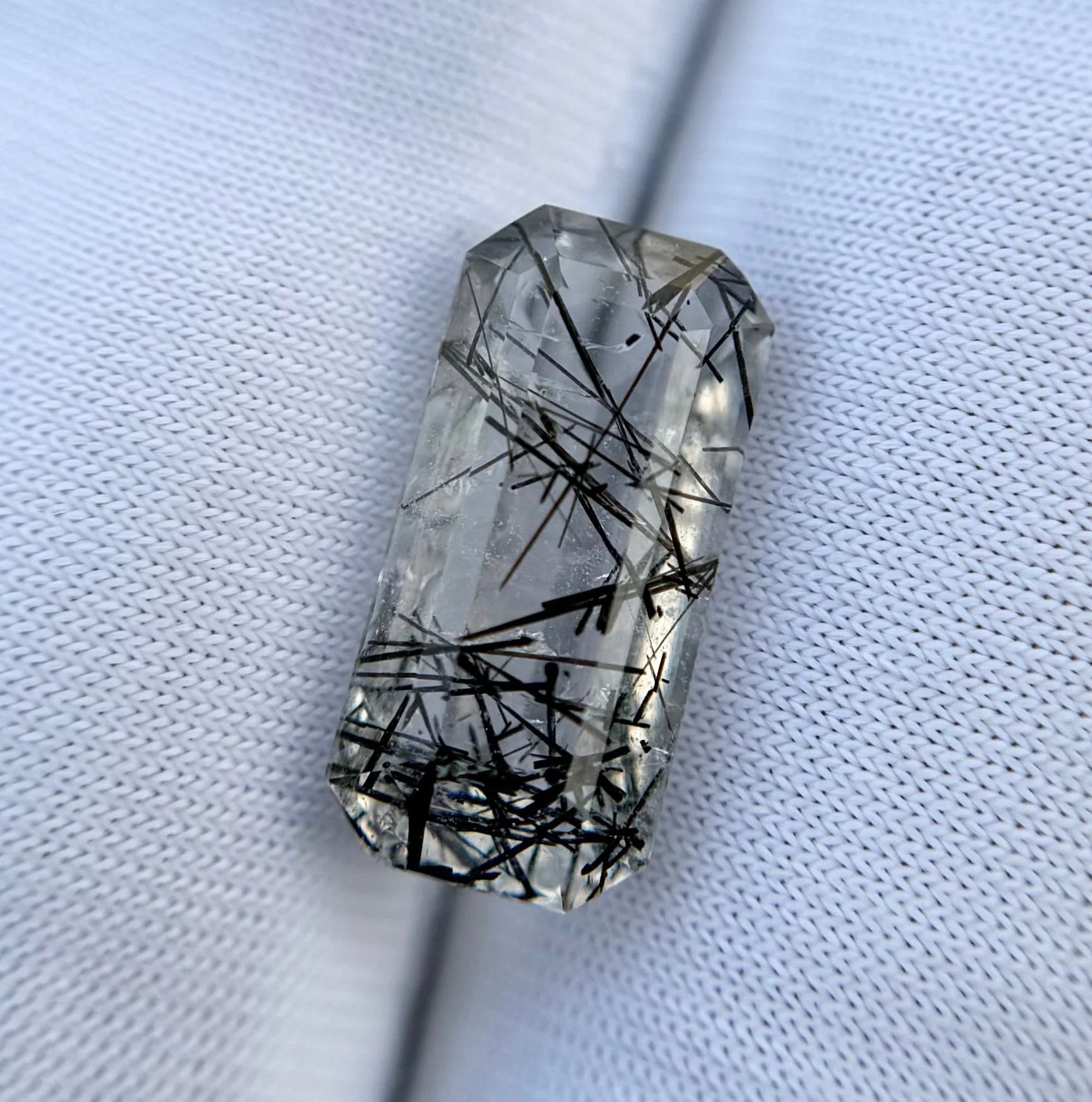
- Black Diamond
- Cognac (Brown) Diamond
- Red Diamond
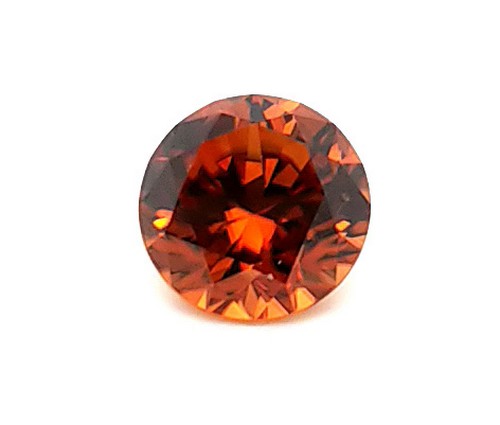
- Orange Diamond
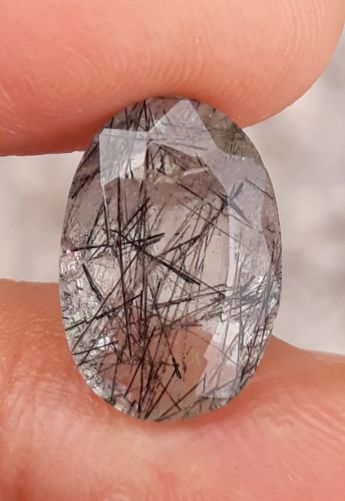
- Grey Diamond
Causes of Diamond Colors
Different colors occur due to:
- Nitrogen impurities:
- Yellow diamonds
- Boron impurities:
- Blue diamonds
- Radiation exposure:
- Green diamonds
- Crystal distortion:
- Pink and red diamonds
- Mineral inclusions:
- Black diamonds
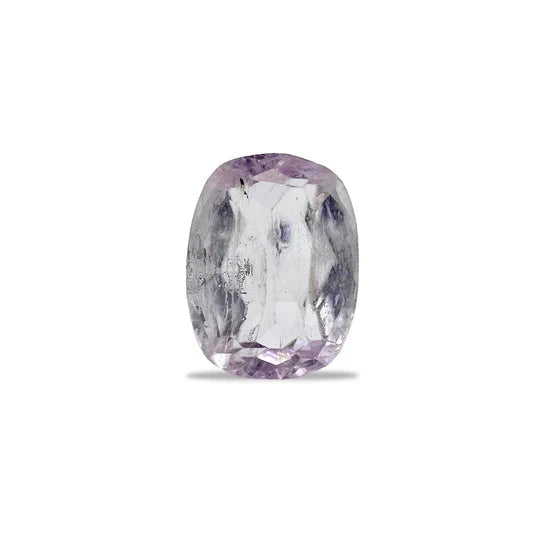
Colorless Diamonds
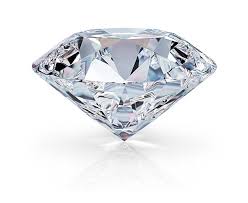
- Colorless Diamond is the purest form of diamond.
- Made almost entirely of carbon with minimal impurities.
- Highly valued for brilliance and sparkle.
- Graded using the D-to-Z scale by the Gemological Institute of America.
- Grades include:
- D–F: Completely colorless
- G–J: Near colorless
- K–M: Slight yellow tint
- N–Z: Noticeable yellow or brown tint

Yellow Diamonds
- Yellow Diamond gets its color from nitrogen impurities.
- Shades range from:
- Pale yellow
- Golden yellow
- Deep canary yellow
- Stronger yellow color increases value.
- Often called “Canary Diamonds.”
- Famous example:
- Tiffany Yellow Diamond
- Found mainly in:
- South Africa
- Australia
- Russia

Brown Diamonds
- Brown Diamond is one of the most common colored diamonds.
- Color caused by crystal lattice distortions.
- Marketed under names such as:
- Champagne Diamond
- Cognac Diamond
- Chocolate Diamond
- Shades range from:
- Light champagne
- Honey brown
- Dark coffee brown
- Major source:
- Australia

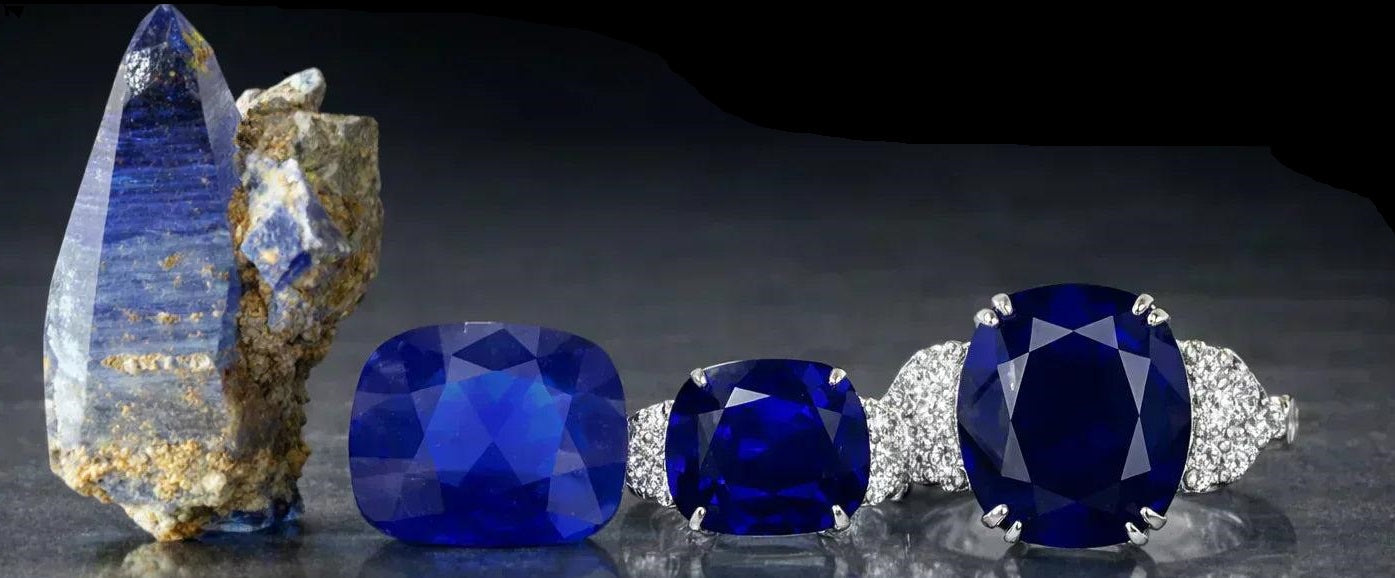
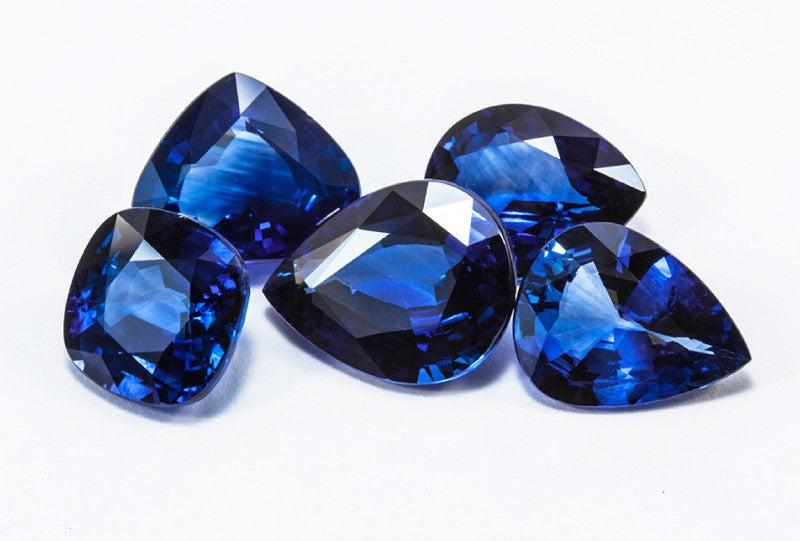
Blue Diamonds
- Blue Diamond is extremely rare and valuable.
- Blue color caused by boron impurities.
- Shades include:
- Light icy blue
- Steel blue
- Deep ocean blue
-
Major sources:
- South Africa
- India

Pink Diamonds
- Pink Diamond is one of the most sought-after fancy diamonds.
- Pink color caused by crystal structure distortion.
- Shades include:
- Soft pink
- Rose pink
- Vivid hot pink
- Purplish pink
- Most famous source:
- Argyle Mine in Australia

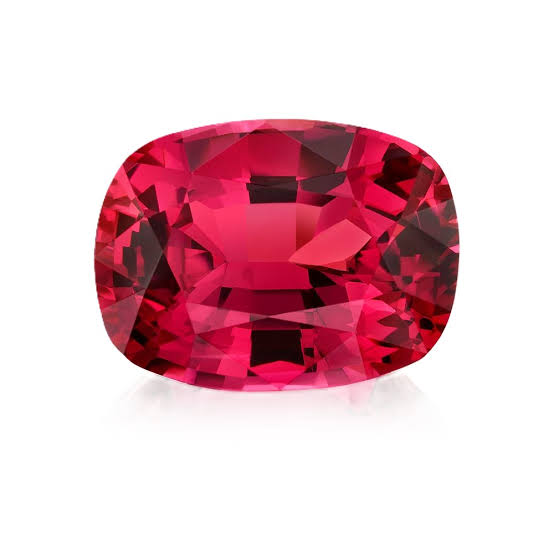
Red Diamonds
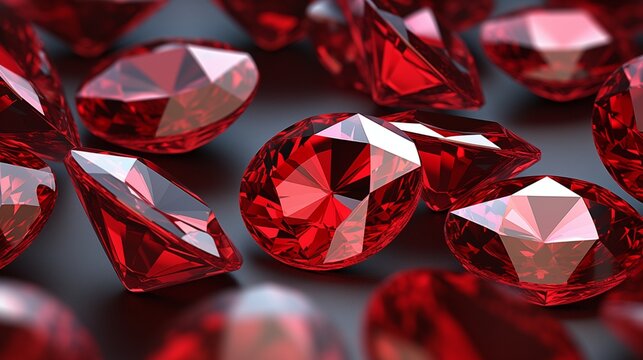
- Red Diamond is the rarest diamond color.
- Only a few natural red diamonds exist worldwide.
- Color caused by intense crystal deformation.
- Usually very small in size.
- Famous example:
- Moussaieff Red Diamond

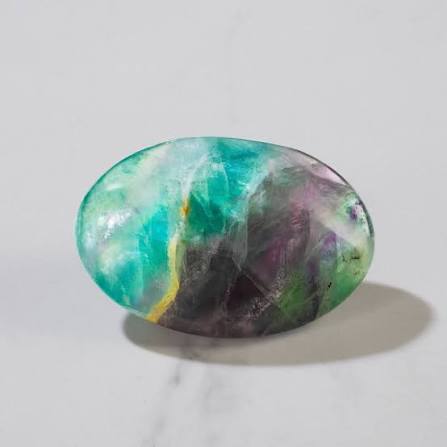
Green Diamonds
- Green Diamond gets color from natural radiation exposure.
- Shades include:
- Mint green
- Olive green
- Deep forest green
- Color often appears near the surface.
- Famous example:
- Dresden Green Diamond

Orange Diamonds
- Orange Diamond is very rare.
- Pure orange diamonds are uncommon.
- Color caused by nitrogen-related defects.
- Shades include:
- Pumpkin orange
- Golden orange
- Deep fiery orange

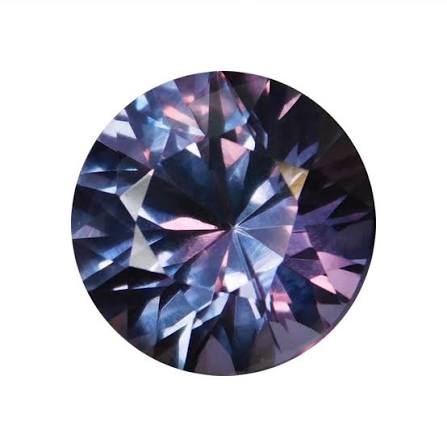
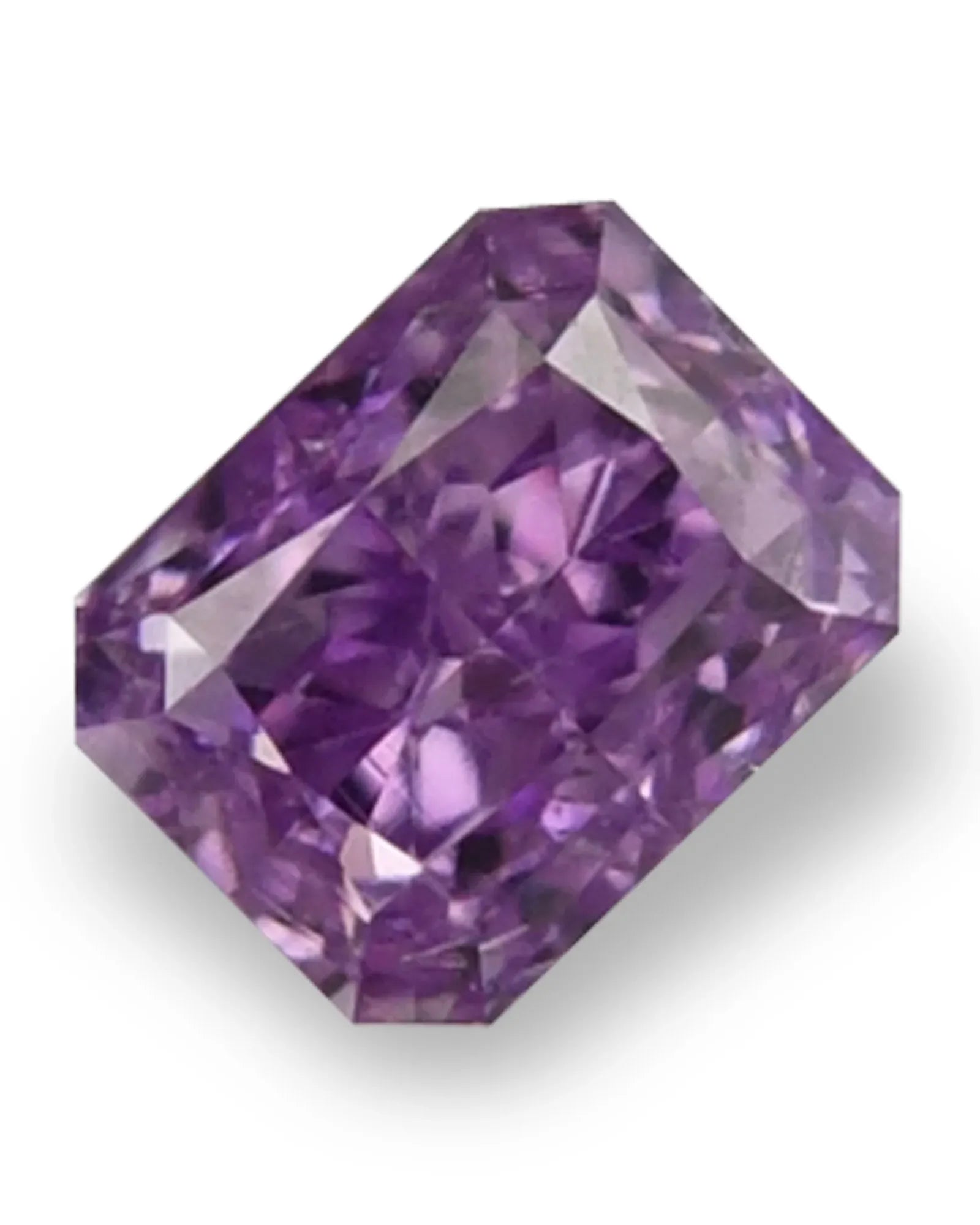
Purple and Violet Diamonds
- Purple Diamond is highly unusual and rare.
- Possibly caused by hydrogen impurities and crystal distortion.
- Shades include:
- Lavender
- Lilac
- Deep violet
- Found mainly in:
- Australia
- Russia

Black Diamonds
- Black Diamond contains many dark mineral inclusions.
- Usually opaque rather than transparent.
- Some are natural; others are treated.

Gray Diamonds
- Gray Diamond has smoky gray coloration.
- Often contains hydrogen or tiny inclusions.
- May display:
- Blue-gray tones
- Silver-gray tones

- Diamonds occur in a remarkable range of colors.
- Each color forms through unique geological conditions.
- Fancy colored diamonds are among the rarest gemstones on Earth.
- Color significantly affects:
- Beauty
- Rarity
- Market value