
What gemstones belong to the Beryl Family?
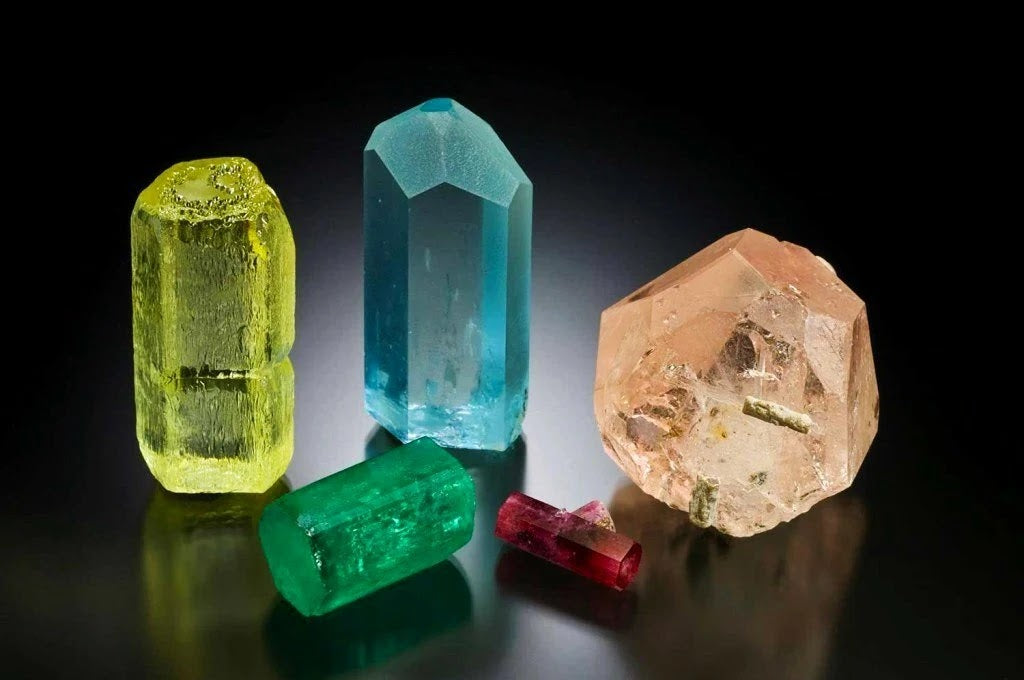
The beryl family is one of the most important and fascinating groups in the world of gemstones. Many of the most admired and valuable gems belong to this family, including emerald and aquamarine. Beryl gemstones are known for their beauty, hardness, brilliance, and variety of colors.
Scientifically, beryl is a mineral composed mainly of beryllium aluminum cyclosilicate. Its chemical formula is Be₃Al₂Si₆O₁₈. Although all beryl gemstones share the same basic crystal structure, tiny traces of different elements produce a wide range of colors.
Here are the main gemstone varieties in the beryl family:
| Gem Variety | Color | Cause of Color |
|---|---|---|
| Emerald | Green | Chromium and/or vanadium |
| Aquamarine | Blue to blue-green | Iron |
| Morganite | Pink to peach | Manganese |
| Heliodor | Yellow to golden | Iron |
| Goshenite | Colorless | Very pure beryl |
| Red Beryl | Red | Manganese |
| Maxixe | Deep dark blue | Irradiation-related color centers |
| Green Beryl | Pale green | Iron (lighter than emerald) |
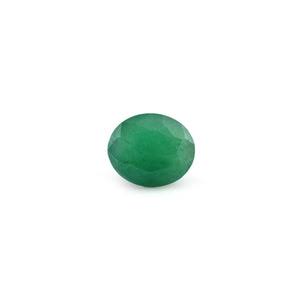
Emerald
Emerald is the most famous and valuable member of the beryl family. It is recognized by its rich green color, which is caused mainly by traces of chromium and sometimes vanadium. The finest emeralds possess a vivid, deep green color with strong saturation.

Aquamarine
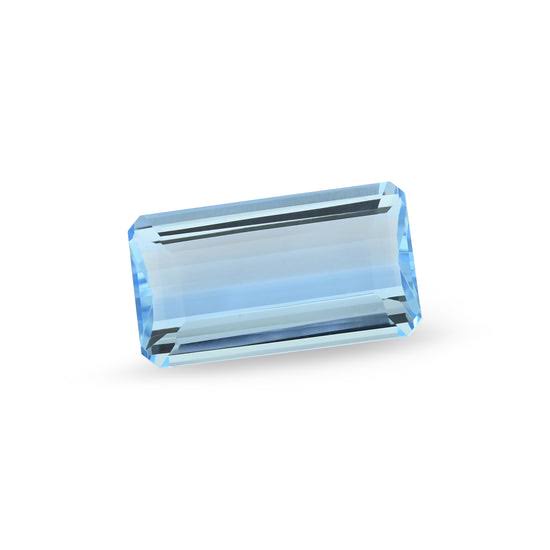
Aquamarine is another highly popular gemstone in the beryl family. Its name comes from the Latin words aqua marina, meaning “sea water,” because of its beautiful ocean-like blue color.
Aquamarine ranges from pale blue to deep blue-green. The color is caused by traces of iron within the crystal structure. Generally, the deeper and purer the blue color, the more valuable the gemstone.

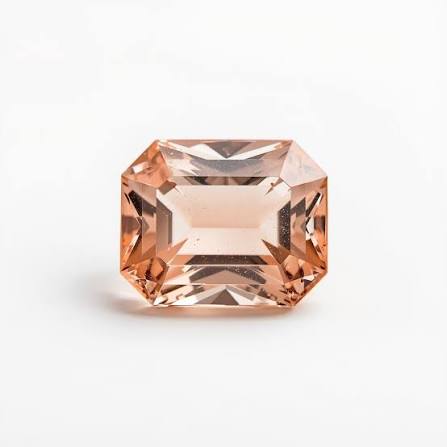
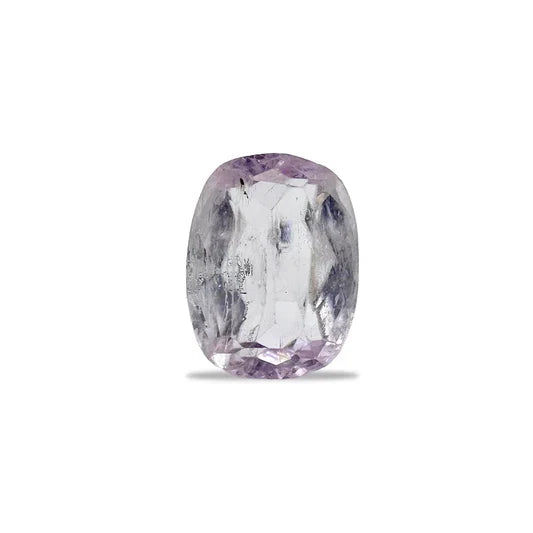
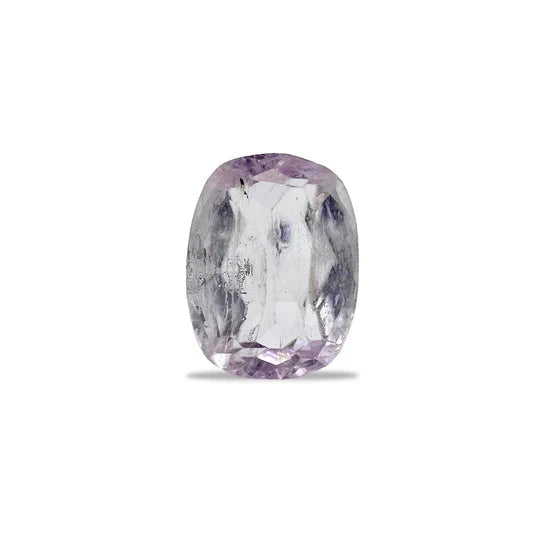
Morganite
Morganite is the pink variety of beryl. It can range in color from soft pink to peach, salmon, or violet-pink shades. The color is caused mainly by traces of manganese.
Morganite gained popularity in the early twentieth century and was named after the American banker and gem collector J. P. Morgan. Its gentle, romantic colors have made it especially fashionable in engagement rings and fine jewelry.

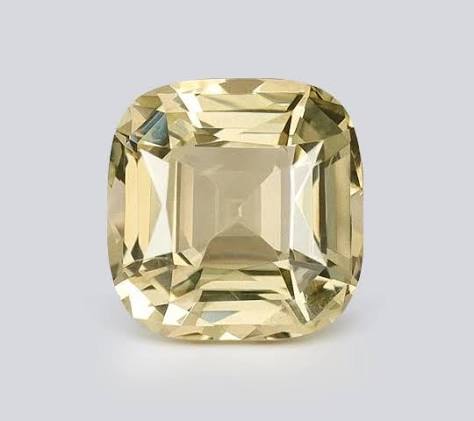
Heliodor
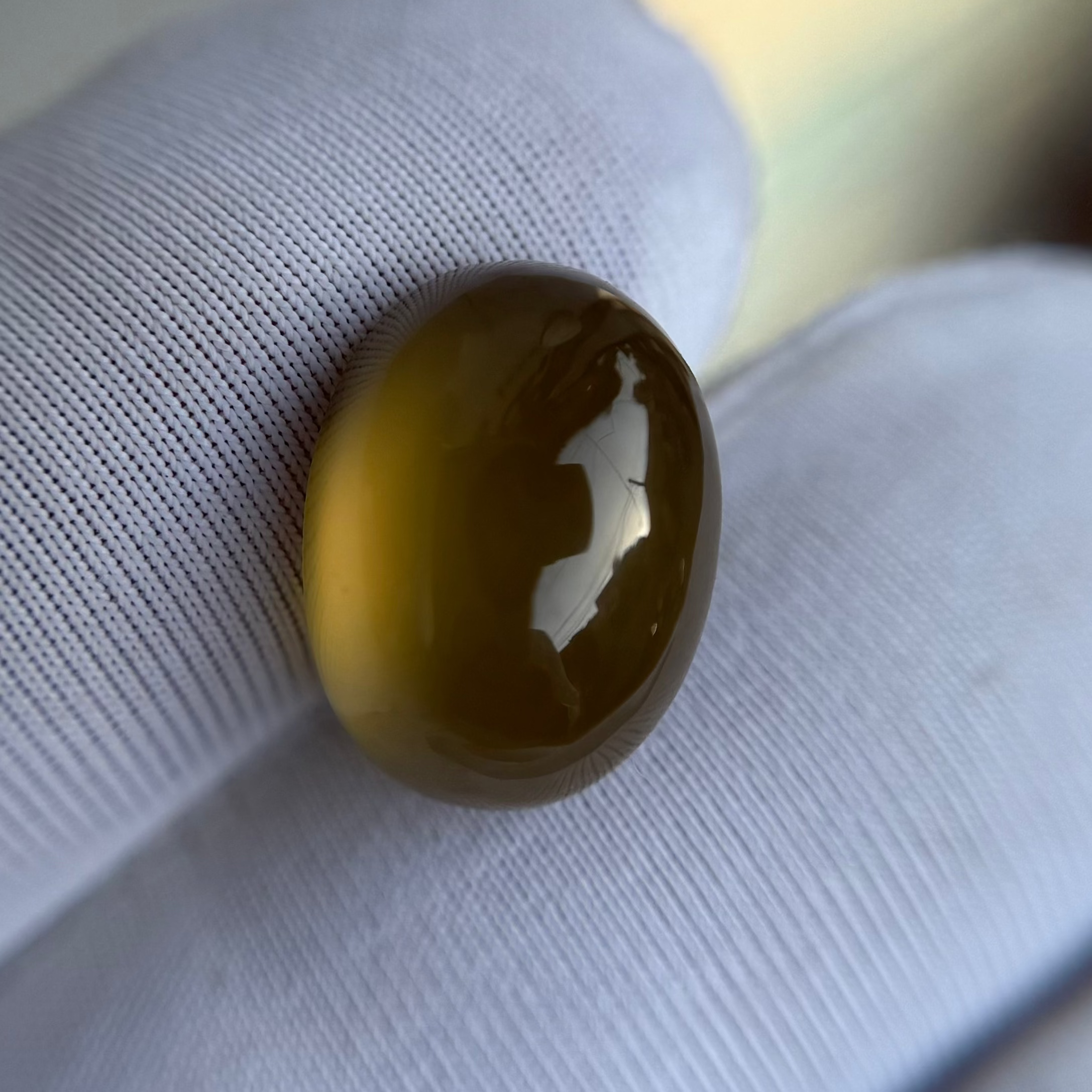
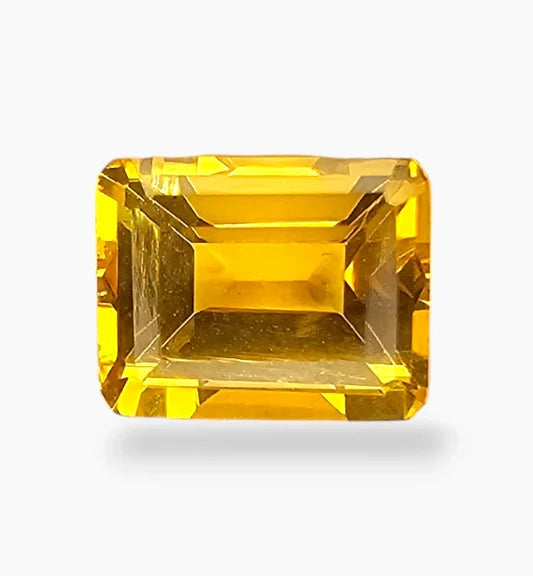
Heliodor is the yellow to golden-yellow variety of beryl. The name heliodor comes from Greek words meaning “gift of the sun.” Its warm golden color is produced by iron impurities within the mineral.
This gemstone is less famous than emerald or aquamarine, but it remains highly attractive due to its brilliance and affordability.Major sources include Brazil, Namibia, Madagascar, and Ukraine.

Goshenite
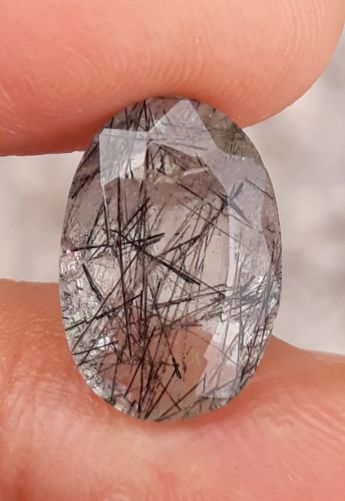
Goshenite is the pure, colorless variety of beryl. Unlike other beryl gemstones, goshenite contains very few impurities, which is why it lacks color.
The gemstone was named after Goshen, Massachusetts, where it was first discovered. In ancient times, goshenite was sometimes used for eyeglass lenses because of its transparency.
Deposits of goshenite occur in Brazil, China, Russia, and the United States.

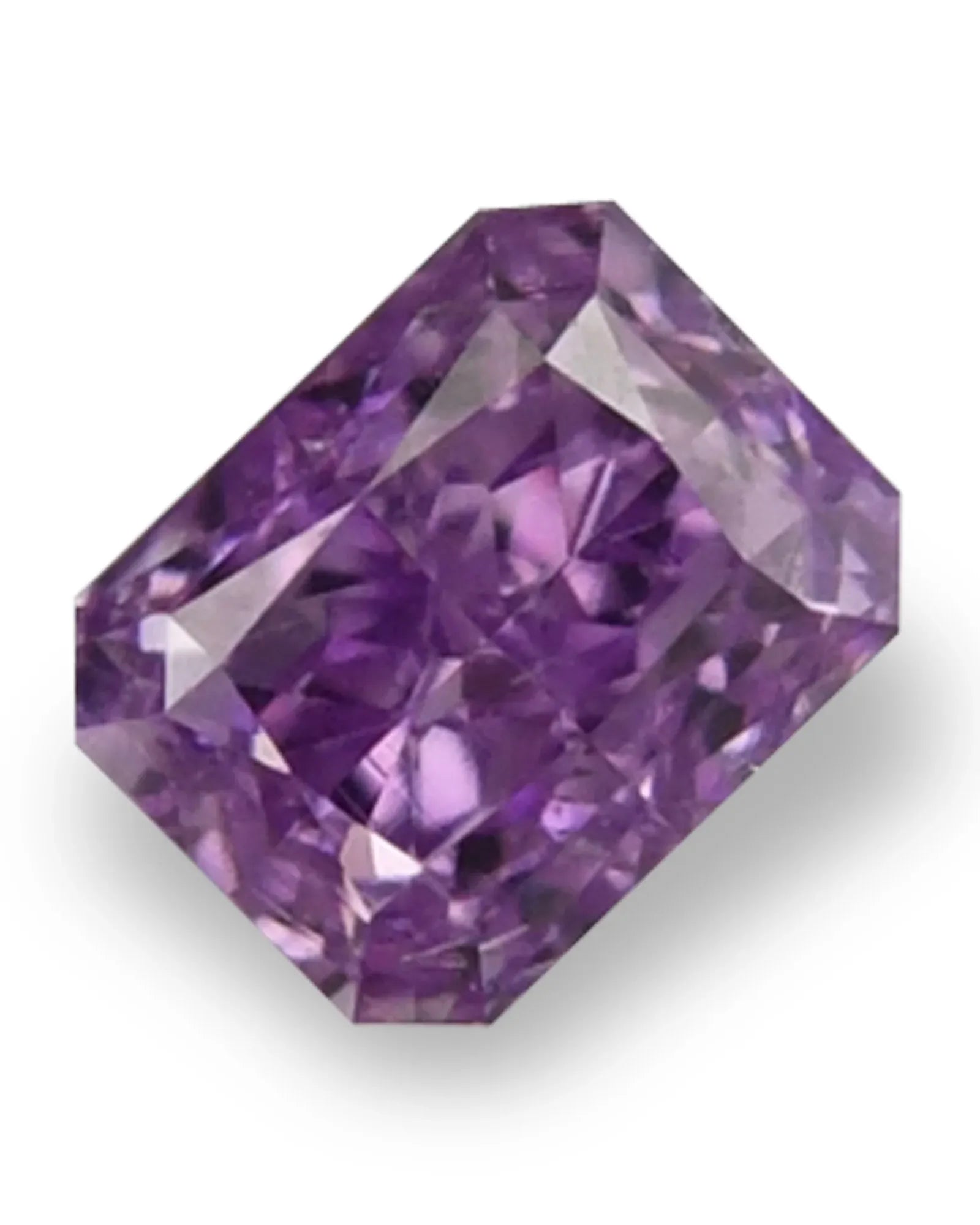
Red Beryl
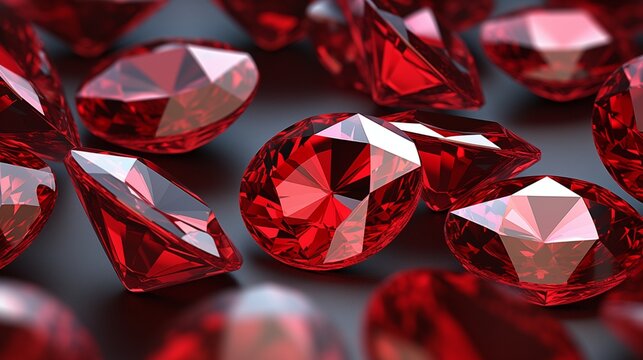
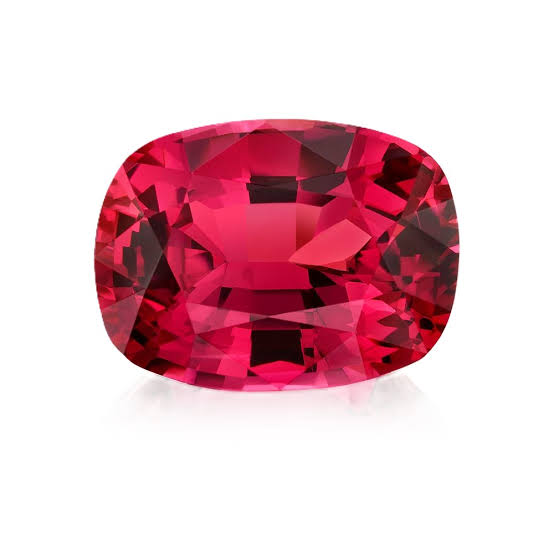
Red Beryl is one of the rarest gemstones in the world. It displays vivid red to raspberry-red colors caused by manganese. Gem-quality red beryl is extremely scarce and far rarer than diamond.
Most red beryl comes from a small area in the state of Utah in the United States. Because of its rarity, fine red beryl gemstones can command very high prices.

Maxixe
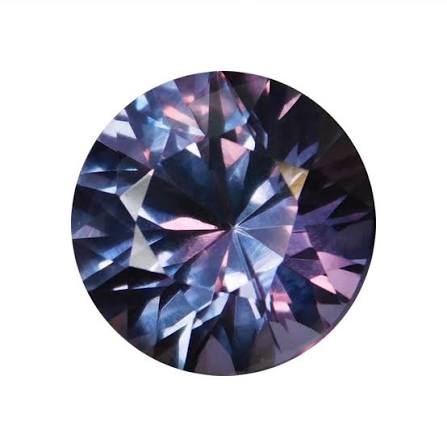
Maxixe is a rare dark blue variety of beryl. It was first discovered in Brazil. Unlike aquamarine, its intense dark blue color results from natural irradiation and color centers within the crystal.

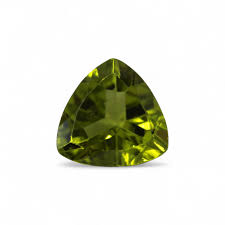
Green Beryl
Green Beryl refers to pale green beryl that is lighter in color than emerald. Its green hue is usually caused by iron rather than chromium.
Green beryl is found in several countries including Brazil, Madagascar, and Zimbabwe.

The beryl family includes some of the world’s most beautiful and treasured gemstones. From the rich green of Emerald to the ocean-blue beauty of Aquamarine and the romantic pink tones of Morganite, each variety possesses unique qualities and charm.
These gemstones are admired not only for their beauty but also for their durability, rarity, and historical significance.