What is the price of Ruby?
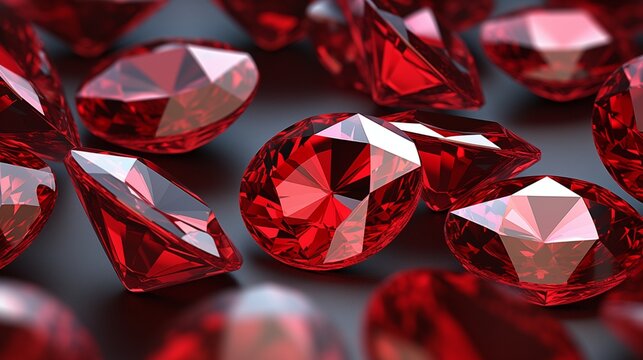
Rubies are among the most valuable and admired gemstones in the world. Known for their rich red color and exceptional brilliance, rubies have symbolized wealth, power, love, and passion for centuries.
The price of a ruby can vary dramatically depending on several factors such as color, clarity, origin, treatment, cut, and carat weight. Some rubies may cost only a few dollars per carat, while rare high-quality stones can sell for millions of dollars at international auctions.
Average Price of Ruby
The price of a ruby depends mainly on its quality and rarity. Commercial-quality rubies used in ordinary jewelry may cost between 50 and 500 dollars per carat. Fine-quality natural rubies can range from 5,000 to 50,000 dollars per carat or even more.
The rarest rubies, especially untreated stones with vivid red color from Myanmar (Burma), can exceed 1 million dollars per carat at auctions.
Below is a general pricing guide for natural rubies:
| Ruby Quality | Price Per Carat |
|---|---|
| Low-quality ruby | $50 – $500 |
| Medium-quality ruby | $500 – $5,000 |
| Fine-quality ruby | $5,000 – $50,000 |
| Exceptional rare ruby | $100,000 – $1 million+ |
Prices can change depending on global demand, gemstone certification, and market trends.
Why Are Rubies So Expensive?
Rubies are expensive because they are extremely rare, especially in high quality. Fine rubies with vivid natural red color are much harder to find than diamonds. Large rubies are particularly uncommon, which significantly increases their value.
Several factors influence ruby prices.
1. Color
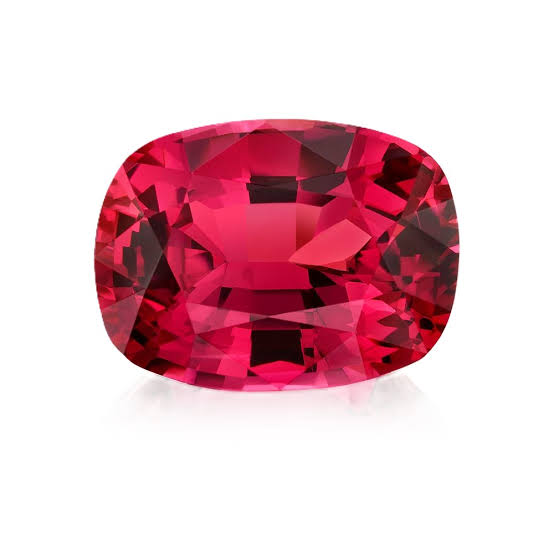
Color is the most important factor in determining ruby value. The finest rubies display a deep, vivid red color often called “pigeon blood red.” This color is highly prized because it appears bright and rich without becoming too dark or too light.
The most valuable ruby colors include:
- Pigeon blood red
- Vivid crimson red
- Pure bright red
Pinkish-red stones may still be valuable but are usually less expensive than pure red rubies.
2. Origin
The origin of a ruby strongly affects its price. Certain countries are famous for producing exceptional gemstones.
Burmese Rubies
Rubies from Myanmar (formerly Burma) are considered the finest in the world. Burmese rubies often possess the famous pigeon blood color and exceptional fluorescence that makes them glow beautifully in light.
Because of their rarity and historical prestige, Burmese rubies command the highest prices in the gemstone market.
Mozambique Rubies
Mozambique has become a major source of high-quality rubies in recent years. Many Mozambique rubies have excellent color and clarity, making them highly desirable while still generally less expensive than Burmese stones.
Thai and Sri Lankan Rubies
Rubies from Thailand and Sri Lanka are also valuable but may have darker or lighter tones compared to Burmese stones.
3. Clarity
Like diamonds, rubies naturally contain internal inclusions. Completely flawless natural rubies are extremely rare. Small inclusions are accepted in rubies, but stones with fewer visible flaws are more valuable.
If a ruby contains large cracks, cloudy areas, or visible imperfections, its price decreases significantly.
4. Carat Weight
Larger rubies are far rarer than smaller ones. As ruby size increases, the price per carat rises dramatically.
For example:
- A one-carat ruby may cost 5,000 dollars per carat.
- A five-carat ruby of similar quality may cost 50,000 dollars per carat.
Large untreated rubies with excellent color are among the rarest gemstones in the world.
5. Treatment
Most rubies on the market undergo heat treatment to improve color and clarity. Heat treatment is widely accepted in the gemstone industry and generally does not reduce value significantly.
However, untreated natural rubies are extremely rare and much more valuable. Certified untreated Burmese rubies often achieve record-breaking auction prices.
Rubies treated with glass filling or chemical enhancements are far less valuable because these treatments reduce durability and natural authenticity.
Investment Value of Rubies
Many investors now consider rare rubies valuable alternative assets. High-quality rubies have shown strong price growth over the past several decades because demand continues to rise while supply remains limited.
Collectors especially seek:
- Untreated Burmese rubies
- Large stones over five carats
- Pigeon blood red color
- Certified natural origin